
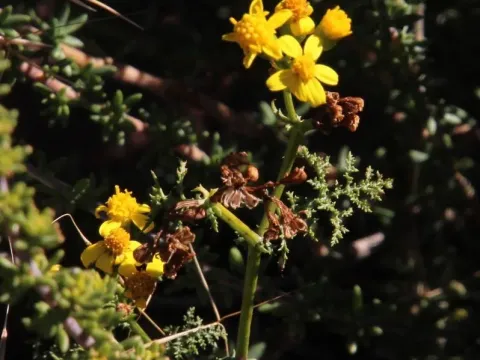
Cineraria aspera
Cineraria aspera
Cineraria aspera belongs to the Asteraceae family and is a distinctive herbaceous plant species that requires specific conditions for optimal germination and early development.
What the section contains
Cineraria aspera
The seeds should be sown in late winter or early spring using a sterile and lightweight growing medium to prevent seedling diseases and ensure easy root penetration.
It is critical to keep the soil surface moist throughout the germination process, which usually occurs best at temperatures between 18 and 20 degrees Celsius.
Light is essential for the seeds to germinate, so they should not be covered with a thick layer of soil but rather lightly pressed into the surface.
Transplanting and hardening off the seedlings is a vital phase of the agrotechnical cycle to prepare the plants for transition from controlled environments to field or garden conditions.
Cineraria aspera thrives in bright, indirect light; direct sunlight in hot climates can scorch the leaves, so partial shade during the afternoon is often recommended.
The soil should be well-drained, fertile, and slightly acidic to neutral in pH, as this supports healthy nutrient uptake and robust growth throughout the season.
Consistent moisture levels are required for the plant to maintain its structural integrity, though waterlogging must be avoided to prevent root damage.
Regular fertilization with balanced nutrients promotes lush leaf development and helps the plant maintain its characteristic texture and appearance.
Maintaining proper spacing between individual plants is necessary to ensure adequate airflow, which significantly reduces the risk of fungal infections in dense plantings.
Common diseases affecting Cineraria aspera include powdery mildew, especially in environments with high humidity and stagnant air circulation.
Root rot is a persistent threat if the drainage is inadequate or if the plants are subjected to frequent overwatering, leading to rapid decline.
Pests such as aphids and spider mites are known to infest the foliage, causing chlorosis and structural damage to the leaves if left uncontrolled.
Integrated pest management, including regular inspection and the use of insecticidal soaps, is the most effective approach for maintaining plant health.
To avoid severe outbreaks, it is crucial to remove any debris or infected plant material from the growing area to prevent the spread of pathogens.