
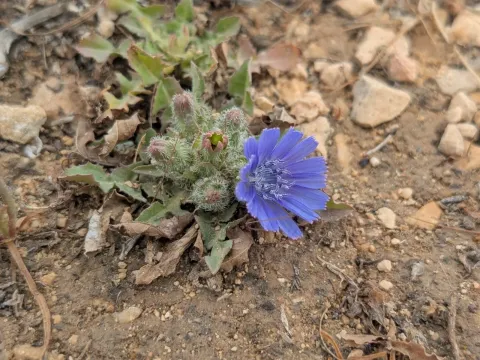
Cichorium pumilum
Cichorium pumilum
Cichorium pumilum is a sun-loving crop that requires precise timing for optimal establishment. The ideal sowing period is in the spring, once the soil has warmed to at least 10–12°C, ensuring uniform and rapid germination of the seeds.
What the section contains
Cichorium pumilum
In regions with milder climates, late autumn sowing can be performed, but spring planting remains the standard for commercial production to avoid winterkill. Consistent temperatures are vital during the first two weeks post-emergence.
Seeds should be sown at a depth of 1 to 1.5 cm. Proper seedbed preparation is essential, as the fine seeds require good contact with the soil to absorb moisture efficiently from the substrate.
Commercial fields are typically planted in rows 45 to 60 cm apart. This spacing allows for mechanical cultivation and weeding, which are crucial practices to keep the crop healthy and free from competition with aggressive weeds.
Crop rotation should be strictly followed, with Cichorium pumilum ideally following potatoes or cruciferous vegetables. This practice helps prevent the accumulation of soil-borne pests and diseases specific to the Asteraceae family.
As a member of the Asteraceae family, this species thrives in fertile, well-drained loamy soils. It prefers a soil pH range of 6.5 to 7.5, which optimizes the bioavailability of essential nutrients such as nitrogen and phosphorus.
Although the crop shows high drought tolerance once established, consistent irrigation during the vegetative phase is required to ensure the succulence and quality of the leaves. Waterlogged conditions must be avoided as they lead to root rot.
Full sun exposure is a non-negotiable requirement for this plant. Shaded locations result in elongated, weak growth and reduced secondary metabolite content, which negatively affects the nutritional value of the plant.
Fertilization regimes should prioritize organic amendments in the autumn, followed by balanced NPK applications in the spring. Nitrogen is particularly important during the early leaf-development stage to boost biomass production.
Climate-wise, the plant prefers moderate temperature ranges without extreme fluctuations. It adapts well to Mediterranean climates and can be grown in temperate zones provided it is protected from late spring frosts.
Common diseases affecting this crop include powdery mildew and Fusarium wilt, especially in fields with poor ventilation. Implementing wide row spacing and ensuring proper airflow are primary methods for disease mitigation.
Pests such as wireworms and aphids are frequent threats. Wireworms can cause significant damage to the root system, while aphids primarily affect the tender foliage, often acting as vectors for viral infections.
Slugs and snails can decimate young seedlings, particularly in moist and rainy conditions. Barrier methods and eco-friendly bait traps are effective tools to protect the crop during its vulnerable early growth stage.
Gray mold (Botrytis) may appear during prolonged rainy spells. Management includes removing infected plant debris and ensuring that fields are not over-irrigated, maintaining the health of the leaf canopy.
Integrated Pest Management (IPM) strategies, including the use of beneficial insects and resistant varieties, are highly recommended to minimize the reliance on chemical pesticides while maintaining high crop yields.