
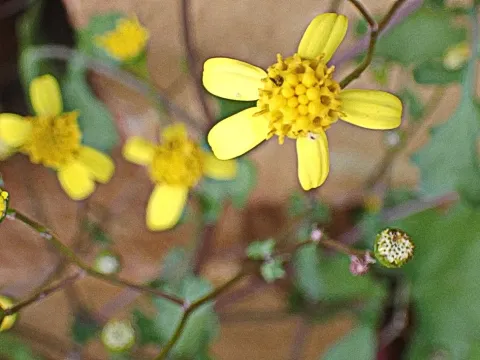
Cineraria lobata
Cineraria lobata
Cineraria lobata, belonging to the Asteraceae family, is a distinct plant often grown for its unique foliage and ornamental value. The cultivation process typically begins with indoor seed sowing in winter, around January or February, to ensure robust growth by early spring.
What the section contains
Cineraria lobata
The seeds are exceptionally small, requiring a shallow sowing method. They should be surface-sown on a moist, fine-textured growing medium and pressed gently without covering with soil, ensuring they receive sufficient light to trigger the germination process.
Maintaining a stable temperature of 18–22 degrees Celsius is crucial during the germination phase. Once seedlings emerge, it is recommended to provide cooler conditions, around 15 degrees, to promote sturdy development and prevent the seedlings from becoming leggy.
Pricking out the seedlings into individual containers is performed once the first pair of true leaves is fully developed. This procedure encourages a well-branched root system and prepares the young plants for transplanting into their final growing location.
Care must be taken to ensure the substrate used for seedlings is sterile to minimize the risk of damping-off. Adequate spacing between young plants is also essential to ensure proper air circulation, which reduces the incidence of early-stage plant diseases.
Cineraria lobata thrives in well-lit areas, but it is sensitive to direct, intense sunlight, which can scorch the leaves. Partial shade or diffused light is optimal to maintain vibrant foliage color and support healthy, steady vegetative growth throughout the season.
The soil requirements for this crop involve a fertile, well-draining, and moisture-retentive substrate. A pH level ranging from neutral to slightly acidic is ideal for nutrient uptake, ensuring the plant receives necessary minerals for full development.
Consistent moisture management is the cornerstone of successful irrigation for this species. The soil should remain damp but never waterlogged; drainage holes in pots are mandatory to prevent the accumulation of excess water, which leads to root suffocation.
Regular fertilization with balanced nutrients is beneficial during the active growth period. Applying a water-soluble fertilizer with balanced NPK levels helps sustain the plant, encouraging the development of lush foliage and improving its resilience against stress.
Adequate ventilation is a critical requirement, especially when the plants are grown in greenhouse conditions. Proper air exchange prevents the development of stagnant air pockets, which are breeding grounds for fungal pathogens and pests that threaten the crop.
Aphids are a primary concern for this crop, as they tend to congregate on the undersides of leaves and on succulent young stems. Integrated pest management, including the use of targeted systemic insecticides, is effective in keeping populations under control.
Whiteflies can pose a severe threat in indoor or greenhouse settings. Regular monitoring and the application of appropriate biological or chemical controls are necessary to prevent rapid infestations that can weaken the plant's structural integrity.
Powdery mildew often appears as a white, dusty layer on the leaves, usually triggered by high humidity levels combined with poor air movement. Treating the plants with professional-grade fungicides and improving ventilation is essential for recovery.
Root rot is a common pathological condition caused by overwatering or poor drainage. Once established, it is difficult to treat, making preventative measures like careful irrigation control and the use of porous growing media the most important management steps.
Spider mites represent a significant challenge in hot and dry climates or indoor environments with low humidity. Controlling these pests requires maintaining optimal air moisture levels and using specific acaricides when infestation levels cross the economic threshold.