
Coleostephus paludosus
Coleostephus paludosus
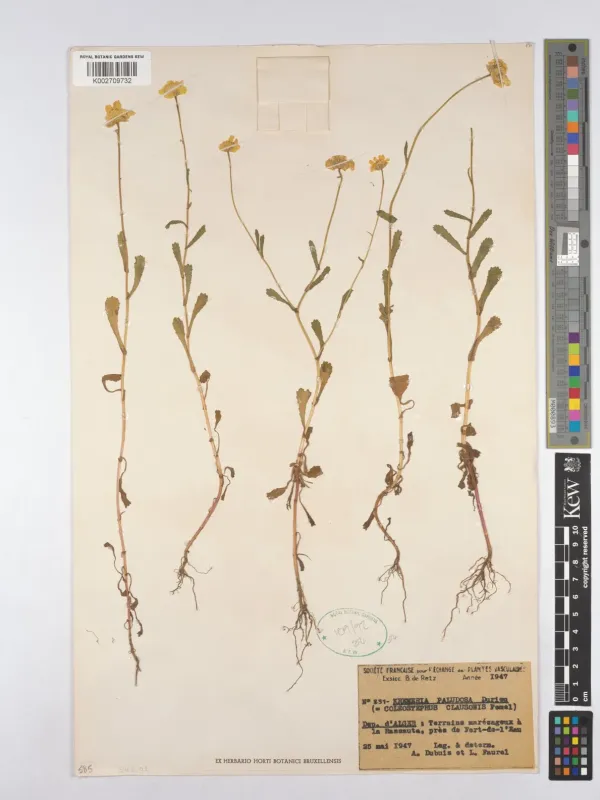
Description
Sowing dates
Coleostephus paludosus is an annual herbaceous plant belonging to the Asteraceae family. It is valued for its delicate flowers and is typically sown as an annual crop in gardens and managed landscapes.
Seeds are sown in spring once the risk of frost has completely passed. In many climates, this corresponds to mid-April or early May, ensuring the soil has warmed up sufficiently for germination.
For an earlier blooming season, nursery-started transplants are common. Seeds are sown indoors in trays during late winter or early spring, using a well-draining, sterile potting mix.
The seedlings are moved to their permanent outdoor location once they have established several true leaves and the outdoor temperature remains consistently above 15 degrees Celsius.
Proper spacing is crucial to prevent competition for light and nutrients, allowing each plant to reach its full potential during the growing season.
Growing requirements
This plant thrives in sunny locations with well-draining, fertile soil. While the name suggests a marshy habitat, it prefers moderate soil moisture rather than waterlogged conditions.
Soil texture should be loose and friable to allow for optimal root respiration. A neutral pH level is ideal for the uptake of essential micronutrients required for vibrant flowering.
Temperature management is important for consistent growth, with an ideal range between 18 and 24 degrees Celsius. Extreme heat or prolonged cold can negatively affect plant vigor.
Light intensity is a critical environmental factor. Providing at least six hours of direct sunlight per day ensures sturdy stems and a greater number of flower heads.
Watering should be managed based on local climate conditions, focusing on maintaining steady moisture in the root zone without creating anaerobic conditions in the soil.
Main diseases and pests
Pests such as aphids and spider mites are the most common threats to the health of the plant. These insects target soft tissues, potentially stunting growth and reducing ornamental value.
Fungal pathogens like powdery mildew and root rot represent the primary diseases, often exacerbated by poor air circulation and excessive overhead moisture.
Integrated Pest Management (IPM) practices, including regular scouting and the use of targeted biological controls, are effective for maintaining plant health throughout the season.
Sanitation of the garden plot is essential; removing plant debris significantly reduces the overwintering capacity of common pests and disease spores.
Chemical intervention should be considered only as a last resort, using products that are safe for pollinators to protect the local ecosystem.
Harvesting
The harvest phase for Coleostephus paludosus primarily involves collecting seeds for the next year or harvesting stems for cut flower arrangements.
For seed production, seed heads must be harvested when they turn dark and dry, usually in late summer, to prevent natural shattering and seed loss on the ground.
Cut flower harvest is best performed early in the day when the plant's turgor pressure is at its peak, selecting stems with tight, semi-open buds for maximum vase life.
Proper post-harvest handling, including air-drying seeds in a cool, ventilated place, ensures a high germination rate for future plantings.
The plant can also serve as a temporary ground cover or ornamental filler, contributing to biodiversity within agricultural or landscaped settings.