
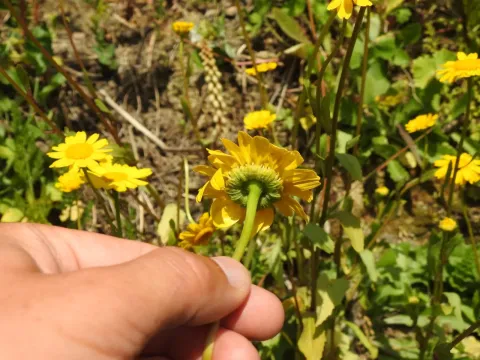
Coleostephus
Coleostephus
Coleostephus is typically propagated via seeds, which are sown directly into the soil in mid-spring once the risk of frost has passed. Greenhouse sowing in late winter allows for earlier flowering in the season.
What the section contains

Coleostephus
The seeds are very fine and require only light covering with soil or compost. Maintaining a germination temperature of approximately 18 to 20 degrees Celsius is crucial for consistent seedling emergence.
Once seedlings have developed their first true leaves, they should be thinned or transplanted. Proper spacing is essential, as the plants exhibit a bushy growth habit and require airflow to thrive.
When sowing in trays, use a well-draining, sterile potting mix. Hardening off the seedlings before transplanting into the field is recommended to improve stress tolerance in the garden environment.
Crop rotation practices should be observed, avoiding planting in areas previously occupied by other Asteraceae members to reduce the risk of soil-borne diseases.
This genus, belonging to the Asteraceae family, flourishes in full sun exposure. Adequate light is necessary to ensure the plants maintain their compact form and produce profuse flowering.
Coleostephus performs best in light, fertile, and well-drained soils. Soils with a slightly alkaline or neutral pH provide the most favorable conditions for nutrient uptake and root development.
The plant is relatively drought-tolerant once established, though regular watering is beneficial during the peak growing phase. Avoid waterlogging, as the root system is sensitive to excessive moisture.
Minimal fertilization is usually required; a balanced, slow-release fertilizer can be applied during planting. Excess nitrogen should be avoided to prevent leggy growth and reduced flower production.
The origin of Coleostephus is primarily the Mediterranean region, which dictates its preference for moderate to warm temperatures and sheltered, sunny positions in the garden.
Common pests include aphids, which tend to gather on the tender shoots and undersides of leaves. Early detection is vital for effective management through natural or chemical means.
Powdery mildew represents a significant fungal threat, especially in humid conditions with limited air circulation. Ensuring proper plant spacing can significantly reduce the risk of infection.
Root rot occurs if the soil drainage is inadequate or if the plant is overwatered. Improving soil structure with organic matter or grit is a standard preventative measure for these issues.
Spider mites may occasionally infest the plants during prolonged dry and hot weather. Monitoring the foliage and maintaining optimal moisture levels helps prevent significant damage.
Effective pest and disease management relies on good sanitation practices, such as removing debris after the growing season and ensuring the plants receive proper care throughout their life cycle.