
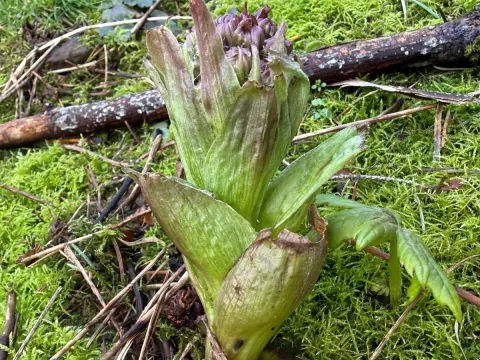
Cold coltsfoot
Petasites frigidus
Cold coltsfoot (Petasites frigidus) is a hardy perennial belonging to the Asteraceae family, well-adapted to the challenging conditions of arctic and subarctic regions. Its botanical structure reflects its adaptation to northern latitudes, characterized by a rhizomatous root system and broad leaves.
What the section contains
Cold coltsfoot
The plant originates from the cold northern territories of Eurasia and North America. In an agricultural context, it thrives in environments that mimic its natural habitat, requiring high moisture levels and soil rich in organic matter to sustain its rapid growth during the short summer season.
Optimal environmental conditions include cool, temperate summers and consistently damp soil. While it tolerates wetlands, the soil must be well-drained enough to prevent root rot. Shady or semi-shady locations are preferred to protect the foliage from excessive solar radiation.
Cultivation practices involve regular irrigation management and the application of compost to enrich the soil profile. Because of its spreading nature, it is essential to manage the planting density to ensure each specimen has enough room to develop its characteristic large leaves.
This crop has niche uses in landscape architecture, particularly for wetland restoration and ornamental gardening in cooler climates. Furthermore, it holds interest in ethnobotanical studies due to its historical use by indigenous northern populations for medicinal purposes.
Common diseases affecting Petasites frigidus are predominantly fungal, including powdery mildew and various leaf rusts. These conditions are typically exacerbated by stagnant air and high humidity around the canopy, requiring proactive management of plant spacing.
Pest threats include slugs and snails, which can cause significant damage to the lush foliage. Additionally, various leaf-eating insects, such as caterpillars and specialized beetles, may infest the crop during the peak of the growing season if not controlled.
Disease management strategies focus on cultural practices such as ensuring proper aeration and sanitation of the planting area. By removing infected foliage promptly, the spread of fungal spores can be significantly reduced, protecting the health of the entire crop.
Pest control measures often include manual collection of mollusks and the use of physical barriers. Chemical pesticides should be used sparingly and only when necessary, keeping in mind the sensitive nature of the ecosystems where this plant is typically cultivated.
Long-term maintenance of a healthy crop depends on consistent vigilance and early detection of symptoms. Regular monitoring allows the grower to address minor issues before they escalate into significant infestations or outbreaks that could threaten plant vigor.