
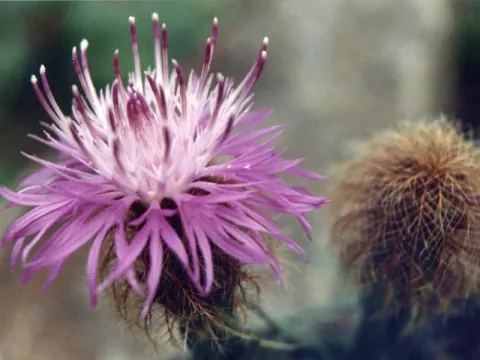
Parilica knapweed
Centaurea parilica
Parilica knapweed (Centaurea parilica) is a distinct perennial herbaceous plant belonging to the Asteraceae family. Known for its restricted endemic range, this species is typically found in mountainous regions, which dictates its high physiological adaptability to harsh environmental conditions.
What the section contains
Parilica knapweed
The plant thrives in well-lit, open areas and exhibits significant tolerance to low-nutrient substrates. Its evolution in mountain habitats has equipped it with robust survival mechanisms, including the ability to withstand extreme temperature fluctuations and limited water availability during peak growth cycles.
Botanically, the plant features a sturdy stem and specialized leaf structures designed to maximize photosynthesis while minimizing water loss. The root system is deep and highly branched, allowing the plant to anchor effectively in rocky or skeletal soils common to its native habitat.
Cultivation requirements focus heavily on soil structure; excellent drainage is essential to prevent root rot. The ideal soil profile for this species includes neutral to slightly alkaline pH levels, providing the necessary mineral balance to support healthy vegetative growth and flowering.
Agricultural use remains primarily focused on botanical conservation and niche landscaping. However, its characteristics as a resilient species suggest potential for future development in restoration ecology and as a specialty nectar source for diverse pollinator populations.
Primary threats to crop health involve fungal pathogens, particularly those triggered by excess moisture and poor soil aeration. Fungal infections can compromise the root system, emphasizing the importance of site selection and moisture control during the establishment phase.
Insect pests such as aphids and leaf-chewing larvae can inflict localized damage during the active growing season. Implementing regular monitoring and utilizing biological control measures can help manage these populations while preserving the integrity of the plant's delicate ecosystem.