
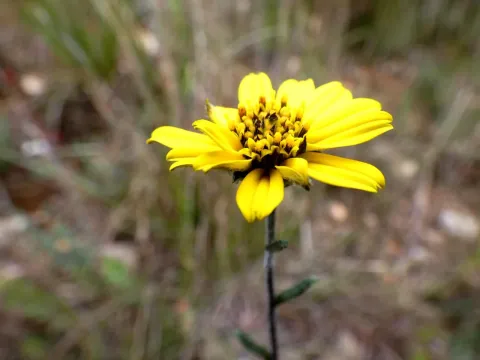
Pappobolus
Pappobolus
Pappobolus is a genus of flowering plants belonging to the Asteraceae family. These plants are native to the high-altitude regions of the Andes, particularly within Peru and Ecuador, where they have adapted to specific mountain ecological niches.
What the section contains

Pappobolus
Regarding cultivation, Pappobolus requires well-drained, porous soil to prevent water accumulation at the roots. In their natural habitat, these plants thrive in rocky or gravelly soils, which dictate the necessary substrate composition for successful indoor or greenhouse growth.
The climate requirements include a balance of direct sunlight and moderate temperatures. Because they originate from mountain environments, they are sensitive to excessive humidity and require high ventilation to maintain healthy vegetative development.
Watering must be strictly regulated to simulate the natural mountain drainage patterns. Providing adequate space between individual plants is also essential to ensure proper air circulation and to minimize the risk of bacterial or fungal outbreaks.
Although not a conventional agricultural crop, Pappobolus is valued in botanical contexts for its unique morphological features and its ability to thrive in harsh, high-altitude conditions, providing insights into the biodiversity of the Andean flora.
The primary threats to Pappobolus health are root and stem rot, usually caused by overwatering or poor soil drainage. Maintaining a dry root zone is the most effective way to prevent these fungal complications.
Pests such as spider mites and aphids are known to infest the plant, particularly in greenhouse conditions. Early detection is crucial, as these insects can cause severe foliage damage and stunted plant growth.
Effective management includes the application of preventative fungicides during periods of high humidity. This helps to protect the plant from common soil-borne pathogens that thrive in wet conditions.
Regular monitoring of the environment is necessary to manage pest populations before they reach economic damage thresholds. Integrated pest management strategies are recommended for long-term health.
Ultimately, the success of growing Pappobolus relies on strict adherence to its specific environmental needs. Careful management of humidity and light levels remains the best defense against both diseases and common pests.