
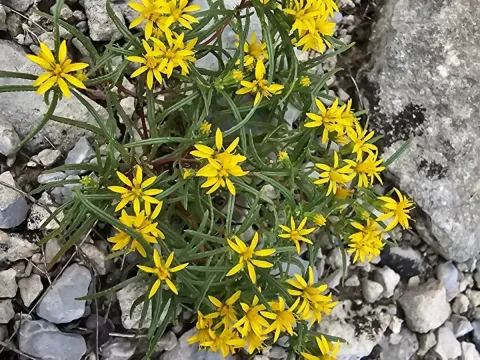
Pectis angustifolia
Pectis angustifolia
Pectis angustifolia is a heat-loving plant that requires stable, warm temperatures for successful germination and early establishment in the field.
What the section contains
Pectis angustifolia
Sowing should take place once the soil has warmed up thoroughly, typically in late spring, to avoid any risks associated with late frost events.
Seeds are exceptionally small and should be sown at a shallow depth, barely covering them with fine soil to ensure adequate light exposure for sprouting.
Direct seeding in rows is preferred, although starting plants in trays can ensure higher seedling survival rates in regions with unpredictable spring weather.
Consistent moisture is required during the first two weeks of germination, after which the plant becomes significantly more drought-tolerant and resilient.
This species thrives in well-drained, sandy, or rocky soils, as it is highly susceptible to root diseases caused by waterlogged or heavy clay conditions.
Pectis angustifolia requires full sun exposure for the majority of the day to synthesize its characteristic lemon-scented essential oils effectively.
It is exceptionally drought-resistant, making it an ideal candidate for cultivation in arid climates or areas with limited irrigation water availability.
The soil should have a neutral to slightly alkaline reaction, which supports optimal nutrient uptake without the need for excessive fertilization.
Providing adequate spacing between individual plants is crucial to encourage airflow, which minimizes the risk of humidity-related pathogens.
The most common pests affecting this crop include spider mites and aphids, which are more prevalent during periods of prolonged drought or heatwaves.
Root rot represents a significant threat if the soil drainage is poor, especially following unexpected heavy rainfall during the active growing phase.
Weed management is critical in the first stage of growth, as the plant is slow-growing initially and can easily be outcompeted by aggressive weeds.
Powdery mildew may occur if the planting site lacks sufficient air circulation or if the foliage remains wet for extended periods during the night.
Integrated pest management strategies are recommended to maintain the aromatic quality of the harvest while minimizing reliance on synthetic chemicals.
Harvesting should be timed precisely with the peak flowering period, as this is when the concentration of essential oils is at its maximum level.
The plants are typically harvested by cutting the stems just above the ground level, ensuring that the plant can potentially regrow if conditions allow.
Early morning harvests are preferred to ensure that the volatile oils are captured within the plant tissues before the heat of the day triggers evaporation.
Proper drying is essential; the harvested material should be spread in a thin layer in a well-ventilated, shaded area to prevent degradation of its properties.
Once dried, the crop should be stored in air-tight containers to preserve its intense, lemon-like aroma and overall market value for commercial use.