
Paraprenanthes
Paraprenanthes
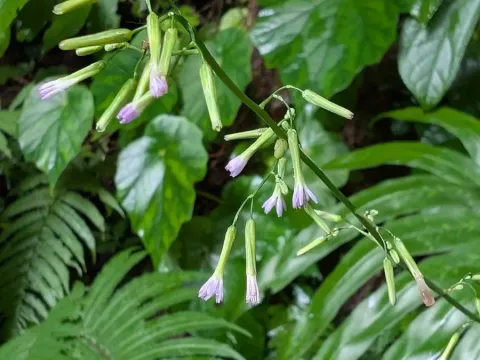
Paraprenanthes is a genus of herbaceous plants belonging to the Asteraceae family. These plants are widely distributed across temperate and subtropical regions of Eastern Asia, thriving in diverse ecological niches ranging from woodland margins to open meadows.
What the section contains

Paraprenanthes
From a botanical standpoint, the genus is characterized by its erect growth habit and characteristic leaf arrangement. The flowers are typically arranged in dense capitula or panicle-like inflorescences, displaying the complex floral structures typical of the tribe Cichorieae within the Asteraceae family.
The successful growth of this culture relies on well-draining, nutrient-rich soils that possess good aeration properties. While the plant can tolerate a variety of soil types, it performs best in loam-based substrates that maintain a consistent moisture level without becoming waterlogged.
Climatic requirements involve a preference for temperate conditions with moderate rainfall throughout the growing season. The plant benefits from exposure to sufficient sunlight to optimize photosynthesis, although it can tolerate partial shade in areas with high ambient temperatures during the summer months.
Economically, species of Paraprenanthes are studied for their potential medicinal properties and biochemical composition. Research into the secondary metabolites found within the tissues of these plants continues to be a point of interest for both academic botanical studies and potential industrial application.
The primary threats to the health of these plants involve fungal pathogens such as mildew, which thrive in conditions of high humidity and poor air circulation. Implementing adequate plant spacing and ensuring good ventilation within the field are essential cultural control measures.
Pest management focuses on controlling sap-sucking insects such as aphids and leaf miners, which can weaken the plant and serve as vectors for viral diseases. Integrated pest management (IPM) strategies, including the use of natural predators or targeted organic sprays, are recommended for maintaining crop health.