
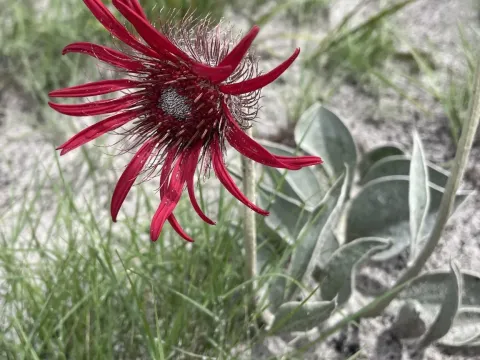
Pasaccardoa
Pasaccardoa
The genus Pasaccardoa belongs to the family Asteraceae and includes several perennial herb species native to tropical Africa. These plants are scientifically recognized for their unique evolutionary adaptations to high-temperature environments.
What the section contains

Pasaccardoa
In terms of origin and distribution, these plants are predominantly found in the savanna ecosystems. They have evolved to thrive in regions where rainfall is seasonal, necessitating the ability to survive long periods of drought through specialized physiological pathways.
The cultivation requirements for Pasaccardoa focus heavily on soil structure. They require well-drained, porous soils that mimic the natural sandy or rocky substrates of their native habitats, as they are highly susceptible to root rot in waterlogged conditions.
Botanically, the plants are characterized by their compact structure and specific inflorescence patterns typical of the Vernonieae tribe. The foliage often features adaptive traits to minimize water loss, which is essential for survival in the harsh African climate.
While not a staple agricultural crop, Pasaccardoa holds significant interest for botanists and researchers studying plant resilience. Understanding its biology can provide insights into maintaining biodiversity in arid and semi-arid tropical regions.