
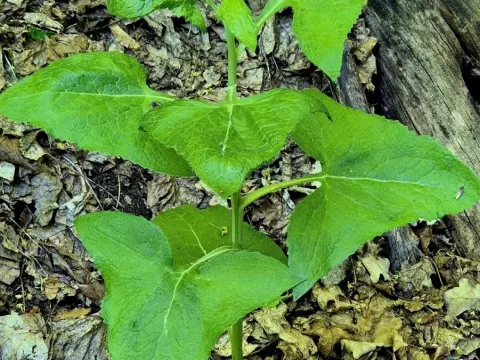
Parasenecio
Parasenecio
Propagating Parasenecio is effectively achieved through seed sowing or rhizome division. Direct sowing in open ground is best performed in late autumn or early spring once the soil temperature is stable.
What the section contains


Parasenecio
For container-grown starts, seeds should be sown in late winter in a well-draining seed-starting mix. Light surface sowing is essential, as the seeds require sufficient light exposure to initiate germination.
Seedlings typically emerge within 14 to 21 days if consistent moisture is maintained. Pricking out young plants into individual pots encourages a robust root system before final transplanting.
When transplanting into the garden, spacing should be calculated based on the specific species' mature spread to ensure adequate airflow. Early morning transplanting reduces moisture loss and transplant shock.
Rhizome division should be carried out during the plant's dormant phase, usually in early spring. Ensuring that each division has a healthy bud is key to successful establishment in a new location.
Parasenecio belongs to the Asteraceae family and is known for its structural foliage and unique inflorescences. This perennial thrives in partial shade, mimicking its natural woodland habitat.
The plant requires soil that is rich in organic matter and maintains consistent moisture levels without becoming waterlogged. Incorporation of compost into the planting hole enhances soil fertility.
Climate adaptability is a strength of this genus, though it appreciates protection from drying winds and intense midday sun. It is generally hardy, provided the root zone is protected from extreme temperature fluctuations.
Regular monitoring of irrigation needs is vital, as the plant reacts poorly to prolonged dry spells. Mulching the area around the base helps stabilize soil temperature and conserve moisture.
Nutrient management involves applying a balanced, slow-release fertilizer during the active growing season. Avoid heavy nitrogen applications late in the season to allow the plant to harden off before winter.
Fungal issues, particularly powdery mildew, can affect the foliage during humid conditions with poor air circulation. Regular thinning and systemic fungicides can manage these occurrences effectively.
Root pathogens thrive in compacted or poorly drained soils, often leading to rapid decline. Selecting sites with excellent natural drainage is the best preventative measure against such diseases.
Gastropods, including slugs and snails, are frequent pests that cause significant damage to young shoots. Physical barriers like copper tape or crushed eggshells can discourage their presence.
Aphid infestations can weaken the plant by feeding on developing leaves and flower buds. Early detection and application of insecticidal soaps are highly effective for small populations.
Leaf miners may occasionally leave tunnels in the foliage, reducing its decorative value. Removing and destroying heavily infested leaves is usually sufficient to control the spread.