
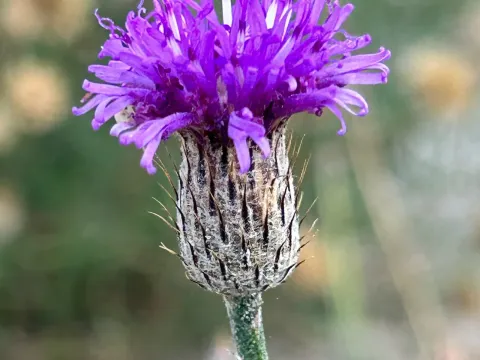
Parapolydora
Parapolydora
Sowing Parapolydora requires well-warmed soil, ideally when the daily temperatures remain stable above 12 degrees Celsius. The optimal timing for sowing is mid-spring, which allows the culture to utilize spring soil moisture effectively for early germination.
What the section contains

Parapolydora
The sowing depth is crucial for this crop, typically ranging from 3 to 4 centimeters. Precision is required, as planting too deep can exhaust the seedling's energy, while planting too shallow can lead to desiccation of the seeds due to topsoil drying.
Seeding rates should be adjusted based on the intended plant density to ensure optimal sunlight interception and nutrient uptake. Mechanical row seeding is recommended for industrial cultivation, allowing for efficient inter-row maintenance and weed control.
Pre-sowing soil preparation involves the application of essential mineral fertilizers to create a nutrient-rich environment for initial growth. Rapid development of the root system during the early stages is vital for the plant to successfully compete with weeds.
Crop rotation is an essential agricultural practice to prevent the accumulation of soil-borne pathogens. Planting Parapolydora after cereal crops or in a well-managed fallow field significantly improves yield potential and reduces the risk of soil-borne diseases.
The culture thrives in temperate climates with a good balance of sunshine throughout the growing season. While it shows some tolerance to temporary moisture deficits, consistent and adequate irrigation is necessary to ensure the development of high-quality products.
Well-drained soil with good structure is preferred, as waterlogging is detrimental to root health. Sandy loams or fertile chernozems are ideal, as they provide both the necessary nutrients and the aeration required for vigorous plant metabolism.
A neutral to slightly acidic pH level is optimal for nutrient uptake. If the soil is too acidic, liming should be performed well in advance to improve the efficiency of applied fertilizers and support the beneficial soil microflora.
The ideal temperature range for active growth is between 18 and 25 degrees Celsius. Extreme fluctuations and late-season frosts can cause physiological stress, which may impact the plant's ability to accumulate biomass effectively.
Spacing and density are critical for maintaining healthy, air-circulating plant stands. Overcrowding should be avoided to prevent the development of fungal diseases and to ensure that all plants receive adequate light and space to reach their full potential.
Fungal pathogens such as root rot and powdery mildew are the primary disease threats, especially in conditions of high humidity and poor ventilation. Regular scouting and preventative measures are essential to keep these pathogens under control.
Pests like cutworms and various defoliating insects can cause significant damage to the foliage during peak growth periods. Integrated pest management strategies, including the use of pheromone traps and selective insecticides, should be employed only when necessary.
Disease prevention starts with the use of high-quality, treated seeds. Ensuring that the planting material is free from seed-borne pathogens is the first and most effective step in protecting the future crop from early-stage infections.
Weed management plays a double role: it reduces resource competition and eliminates alternative hosts for many pests and diseases. Keeping the field free of debris and invasive weeds significantly contributes to the overall stability of the crop.
- Seed treatment with appropriate fungicides.
- Application of potassium and phosphorus to enhance plant immunity.
- Strategic inter-row cultivation to improve soil aeration.