
Nipponanthemum
Nipponanthemum
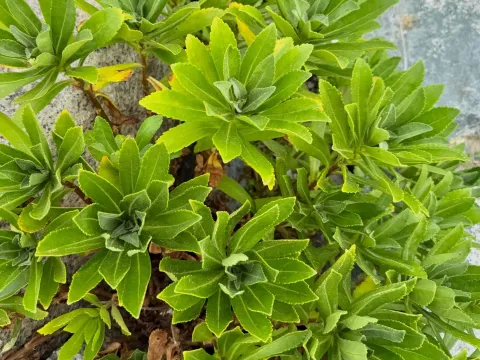
Nipponanthemum is a genus of perennial subshrubs belonging to the Asteraceae family. Known for its woody base and dense, glossy foliage, it is native to the coastal regions of Japan, which defines its preference for specific ecological niches.
What the section contains
Nipponanthemum
The plant thrives in well-drained, nutrient-rich soil that mimics its native rocky, coastal environment. High soil permeability is crucial to prevent root rot, as the plant is highly sensitive to waterlogged conditions throughout the dormant and growing seasons.
Full sunlight is a fundamental requirement for Nipponanthemum. It needs at least six to eight hours of direct sunlight daily to maintain its structural integrity and produce its characteristic white, daisy-like flower heads in late autumn.
Climate considerations are essential; while it is moderately hardy, it requires protection in regions with harsh winters. A layer of organic mulch or frost blankets can significantly improve its survival rate during freezing temperatures.
Cultural practices include occasional pruning to maintain a compact, rounded form. Removing faded flowers not only improves aesthetics but also directs the plant's energy toward root development before the onset of winter.
Fungal diseases such as powdery mildew represent a primary threat, especially in humid and poorly ventilated conditions. Ensuring adequate spacing between plants allows for sufficient airflow, which is the best defense against fungal outbreaks.
Aphids are common pests that tend to cluster on soft, emerging growth in the spring. Monitoring is essential; if an infestation occurs, horticultural soaps or neem oil can be applied to mitigate the damage without harming beneficial pollinators.
Root rot, caused by various soil-borne pathogens, is a lethal threat if the soil remains excessively damp for extended periods. This is often an indicator that the drainage system in the planting bed needs to be improved.
Slugs and snails can cause cosmetic damage to the foliage, particularly during damp spring weather. Implementing barriers or natural repellents around the base of the plant can effectively deter these mollusks from feeding.
Nutritional imbalances, often resulting from excessive fertilizer application, can make the plant's tissue more susceptible to diseases. Using a slow-release fertilizer with balanced NPK levels is recommended for consistent, healthy growth.