
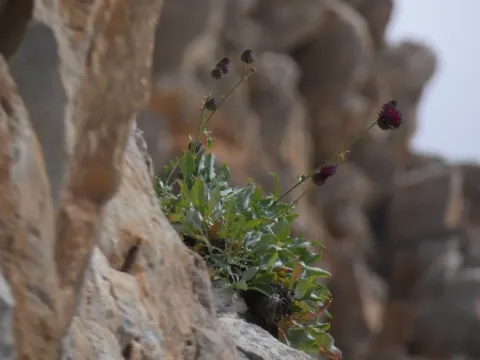
Purple centaurea
Centaurea atropurpurea
Centaurea atropurpurea is a notable member of the Asteraceae family. Propagation is primarily achieved through seeds, which are typically sown directly into open soil during the spring once the frost risk has completely subsided.
What the section contains
Purple centaurea
For accelerated development, nursery-grown seedlings can be started in greenhouses by the end of March. Ensuring a consistent temperature range is essential for uniform germination and the development of strong, healthy roots.
When sowing, seeds should be placed at a depth of 1-2 centimeters. Adequate spacing of approximately 30-40 centimeters between individual plants is necessary to prevent competition for light, water, and nutrients as the plant reaches maturity.
Once seedlings are robust enough, they should be transplanted into the field or garden beds in late May. This allows the plants to establish themselves fully before the peak heat of the summer season arrives.
Self-seeding is a natural characteristic of this species, allowing it to regenerate effectively over multiple seasons in garden settings, provided the soil remains undisturbed during the dormant winter period.
Originating from the Balkan region, this plant thrives in open, sun-drenched environments. Full sun exposure is critical for maintaining its structural integrity and ensuring the production of its deep purple flower heads.
The plant prefers well-draining, slightly alkaline to neutral soils. It exhibits a high degree of drought tolerance once established, making it a suitable choice for low-maintenance landscaping and rock gardens where moisture is limited.
Soil aeration is vital for the health of Centaurea atropurpurea. Regular hoeing and weeding around the base of the plant prevent soil compaction, which is often a precursor to root stress and reduced flowering performance.
While the plant does not require heavy fertilization, an application of balanced, slow-release fertilizer during the early spring growth phase can significantly enhance the quantity and vibrancy of the blooms.
Cold hardiness is one of the key strengths of this species. It is well-adapted to temperate climates and typically requires no specialized protection during the winter, provided the soil drainage remains excellent.
Common issues for this plant usually stem from excessive moisture. Powdery mildew can affect the leaves if the plants are placed too closely together, preventing proper air circulation and creating a humid microclimate.
Root rot is the most serious threat, specifically in soils that lack adequate drainage. To avoid this, it is recommended to amend heavy soils with sand or gravel to facilitate water movement away from the roots.
Pests like aphids are common during the rapid growth phase of the stems. If a localized infestation is detected, physical removal or the application of organic insecticidal soaps is usually sufficient to resolve the problem.
Spider mites may appear during periods of prolonged drought and extreme heat. Increasing humidity around the plant through early morning watering can discourage these pests from establishing a colony.
- Practicing proper plant spacing.
- Avoiding overhead irrigation.
- Removing diseased plant debris promptly.
- Monitoring for early signs of infestation.
- Improving site drainage before planting.
Centaurea atropurpurea is primarily cultivated for its aesthetic appeal in borders and wildflower meadows. Its deep color makes it a favorite among floral designers who appreciate its long vase life as a cut flower.
When harvesting for bouquets, blooms should be selected just as they reach full opening. Cutting stems in the early morning ensures maximum turgor pressure, keeping the flowers fresh for a longer duration after they are picked.
Seed harvesting should be performed after the flower heads have transitioned to a brown, dry state. The heads are collected, dried further in a ventilated area, and then threshed to extract the viable seeds for next year.
Post-flowering maintenance involves cutting back the spent stalks near the ground level. This practice tidies the garden and encourages the plant to direct its energy into root development rather than seed production.
Beyond its ornamental value, the plant serves as an excellent pollinator attractant. By bringing bees and butterflies into the agricultural landscape, it supports the wider ecosystem and enhances the productivity of surrounding crops.