
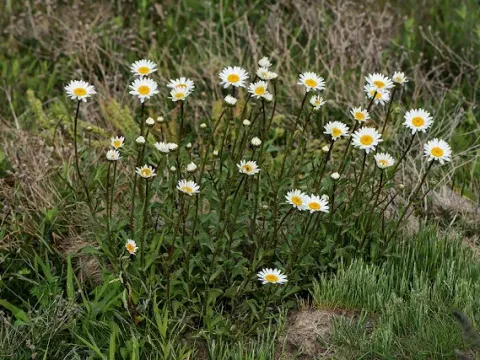
Pyrenean oxeye
Leucanthemum pyrenaicum
Pyrenean oxeye (Leucanthemum pyrenaicum) is a member of the Asteraceae family. This hardy perennial is widely valued for its bright, daisy-like flowers and robust growth habits in temperate climates.
What the section contains
Pyrenean oxeye
Propagation is typically achieved through seeds sown indoors in early spring. Using a high-quality seed starting mix ensures optimal germination rates, usually occurring within two to three weeks under consistent temperatures.
Once the seedlings develop two sets of true leaves, they should be pricked out into individual pots. This practice encourages strong root development before transplanting the plants into their permanent location.
Outdoor planting occurs when all risk of frost has passed. Spacing is crucial, as the plants require adequate air circulation to prevent the buildup of humidity around the foliage.
During the establishment phase, young plants require regular monitoring for moisture levels to ensure the root system stays hydrated but not waterlogged in the soil.
This species thrives in full sun exposure. While it can tolerate partial shade, maximum flowering potential is achieved only when the plants receive at least six hours of direct sunlight daily.
Soil structure should be well-drained and nutrient-rich. Incorporating compost or aged manure prior to planting helps maintain the soil fertility and moisture-holding capacity throughout the season.
Watering frequency depends on rainfall and soil composition. During peak summer heat, deep watering at the base of the plant is preferred over overhead irrigation to protect the flowers from physical damage.
A balanced fertilizer applied in early spring supports healthy stem development. Avoid excessive nitrogen, which can lead to lush vegetative growth at the expense of bloom density.
Winter care is minimal for established clumps. Cutting back the dead foliage in late autumn helps prevent the overwintering of pathogens and prepares the plant for dormant growth.
Powdery mildew is a common issue during periods of high humidity. It typically manifests as white spots on the leaves, which can reduce the plant's overall vigor if left untreated.
Root rot occurs primarily in poorly drained soil. Symptoms include yellowing leaves and stunted growth, necessitating immediate adjustment of drainage conditions and potential fungicide treatment.
Aphids and spittlebugs represent the most frequent insect pests. They feed on the sap of young buds and shoots, causing distorted growth and potentially spreading viral infections.
Integrated pest management strategies are recommended, including the use of neem oil or insecticidal soaps to keep populations in check without harming beneficial garden insects.
Regular sanitation, including the removal of infected plant debris, is the most effective preventative measure against the spread of both fungal spores and egg-laying insects.