
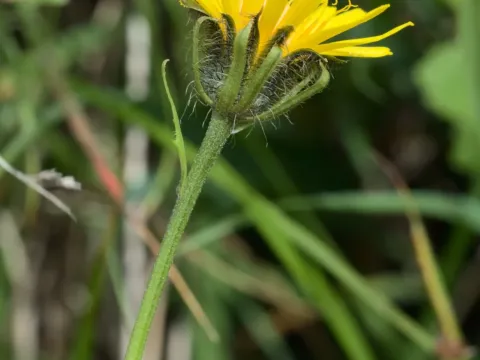
Pyrenean hawksbeard
Crepis pyrenaica
Pyrenean hawksbeard (Crepis pyrenaica) is a perennial herbaceous plant belonging to the Asteraceae family. It is a vital species often found in mountain meadows, recognized for its nutritional value and adaptability to cool temperate climatic zones.
What the section contains
Pyrenean hawksbeard
The plant thrives best in nutrient-rich, well-drained loamy soils. It displays a strong preference for neutral pH levels, and while it is cold-hardy, it requires consistent soil moisture during the spring and early summer growth phases to ensure maximum biomass production.
Botanically, it is characterized by a robust basal rosette of leaves and a flowering stem that emerges in late spring. This growth habit allows it to be an efficient component in mixed grassland systems, providing early-season forage for grazing livestock.
For successful establishment, sowing should be timed to avoid heat stress, ideally during the early spring when soil temperatures allow for uniform germination. Ensuring adequate spacing is essential, as the plant requires sufficient airflow to maintain its overall health and vigor.
In agricultural practice, this species is valued for its potential in hay production and pasture improvement. It exhibits good regrowth capabilities after harvesting, making it a reliable choice for farmers looking to enhance the diversity and quality of their perennial forage crops.
Common threats to this culture include fungal infections such as powdery mildew, which can proliferate in poorly ventilated or excessively humid conditions. Regular monitoring of the foliage is recommended to catch the early signs of infection before they affect yield.
Insect pests that target the Asteraceae family, such as aphids, can occasionally infest the stems, reducing the overall nutritional quality of the forage. Implementing crop rotation and maintaining a healthy plant density are the primary methods for mitigating pest-related damage.