
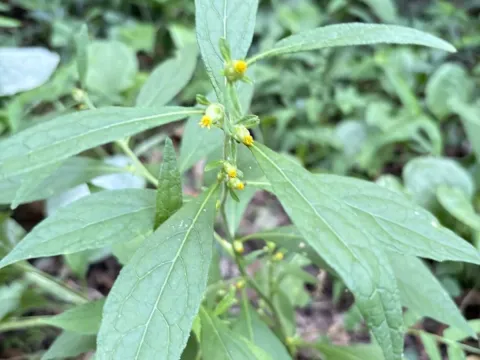
Carpesium
Carpesium
Sowing Carpesium typically takes place in early spring once soil temperatures reach a consistent level of 10 to 12 degrees Celsius for germination.
What the section contains
 Carpesium abrotanoides
Carpesium abrotanoides
Carpesium abrotanoides
 Carpesium cernuum
Carpesium cernuum
Carpesium cernuum
 Carpesium divaricatum
Carpesium divaricatum
Carpesium divaricatum
 Carpesium glossophyllum
Carpesium glossophyllum
Carpesium glossophyllum
 Carpesium macrocephalum
Carpesium macrocephalum
Carpesium macrocephalum
 Carpesium rosulatum
Carpesium rosulatum
Carpesium rosulatum
 Carpesium triste
Carpesium triste
Carpesium triste
 Nepal carpesium
Carpesium nepalense
Nepal carpesium
Carpesium nepalense
Carpesium
The seeds require careful preparation; stratification is often recommended to break dormancy and ensure uniform emergence across the planted field.
Seeds should be planted at a shallow depth of approximately 1 to 2 centimeters to ensure they have enough energy to reach the surface while avoiding desiccation.
Proper spacing is essential for crop health, with row intervals of 30 to 40 centimeters recommended to facilitate efficient airflow and weed management.
For early production, starting seeds in greenhouses during late winter allows for stronger transplants, which can be moved outdoors once frost risks pass.
Carpesium belongs to the Asteraceae family and thrives in temperate climates, requiring specific environmental conditions for optimal vegetative growth.
The crop performs best in fertile, well-drained loamy soils with a neutral pH, ensuring sufficient nutrient availability for its complex metabolism.
High light exposure is critical for the plant, although young seedlings may benefit from light shading during extreme midday heat in the first weeks.
Consistent soil moisture is vital during the vegetative stage, as the plant is sensitive to severe drought which can prematurely induce flowering.
Regular maintenance, including shallow cultivation to eliminate competing weeds, is necessary to keep the crop healthy and free from nutrient competition.
Carpesium is highly valued for its medicinal properties, particularly due to the presence of sesquiterpene lactones in its aerial parts.
Yield productivity is significantly impacted by the nutritional management of the soil, with organic amendments providing the best long-term results.
Professional cultivation aims to maximize biomass production during the peak growth window before the reproductive phase redirects plant energy.
The market for Carpesium extracts continues to grow, driven by the demand for natural ingredients in pharmaceuticals and herbal healthcare products.
Achieving stable yields requires precise timing of harvest, ensuring the plant is collected when its phytochemical concentration is at its highest point.
Common phytopathological threats include fungal infections such as powdery mildew, which flourish under high humidity and poor circulation conditions.
Root rot is a significant danger if the soil drainage is inadequate, leading to waterlogged conditions that weaken the plant's vascular system.
Pests like aphids and spider mites frequently target Carpesium, necessitating regular scouting to catch infestations before they cause widespread damage.
Integrated pest management strategies are encouraged to protect the crop's quality, favoring botanical insecticides over harsh chemical applications.
Crop rotation remains the most effective prophylactic measure against soil-borne diseases that can persist in the plot over multiple growing seasons.
Harvesting should be conducted during the peak flowering stage to capture the maximum amount of active biological compounds present in the plant.
Collecting the crop during dry, clear weather prevents moisture-related spoilage and ensures the subsequent drying process begins under ideal conditions.
Immediate post-harvest processing involves spreading the material in a cool, ventilated area to preserve the integrity of the active ingredients.
Drying temperatures must be strictly controlled, ideally remaining below 40 degrees Celsius to prevent the degradation of sensitive chemical constituents.
Final product storage requires airtight packaging in dark, cool conditions to maintain the therapeutic value and market quality of the harvest.