
Carpesium glossophyllum
Carpesium glossophyllum
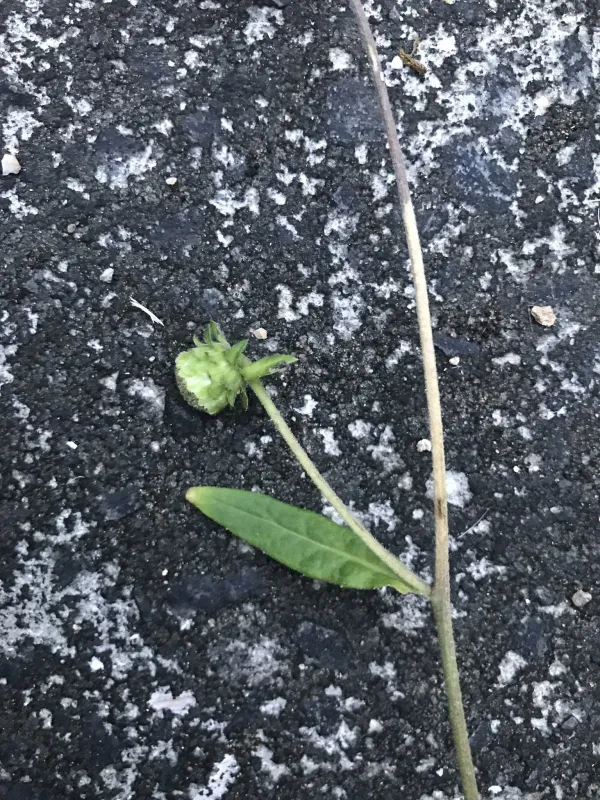
Description
Sowing dates
Sowing seeds of Carpesium glossophyllum is best performed in the spring when soil temperatures reach 12-15 degrees Celsius. Mid-April is considered the optimal window, allowing the crop to establish itself before the onset of intense summer heat.
The seeds possess good germination rates if stratified properly, but they require shallow sowing. Planting depth should not exceed 0.5-1 centimeter, as the small seeds rely on sufficient light exposure to initiate germination successfully.
Maintaining consistent substrate moisture during the first three weeks is crucial for uniform emergence. A row-seeding method with 30-40 centimeter spacing between rows is recommended to facilitate proper maintenance and field access.
For transplanting methods, sowing should occur in greenhouses in late March. Seedlings are then transferred to open soil once stable nighttime temperatures are established, minimizing transplant shock to the young crops.
Pre-germination in moist sand can enhance seedling uniformity. This technique allows for the removal of non-viable seed material prior to transplantation, ensuring an efficient use of field space and resources during the establishment phase.
Growing requirements
Carpesium glossophyllum is a perennial herbaceous plant belonging to the Asteraceae family. This species is naturally adapted to temperate climates, commonly found in forest zones and moist meadow ecosystems across East Asia.
The crop thrives in fertile, loamy soils with a neutral to slightly acidic pH level. A well-draining soil structure is essential, as waterlogging in the root zone can lead to severe root rot and stunted plant growth.
While the plant is light-loving, it tolerates partial shade during the hottest parts of the day. During extreme heat waves, additional irrigation is necessary, as the glossy leaves are susceptible to high transpiration rates under direct sun.
Protecting the crops from strong winds is vital, as high stems may be damaged during the budding stage. The optimal planting density ranges from 6 to 8 plants per square meter to ensure proper airflow and resource allocation.
Applying nitrogen-rich mineral fertilizers early in the growth stage promotes lush leaf production. As the plant enters the flowering phase, increasing phosphorus and potassium levels is critical for proper seed maturation and secondary metabolite synthesis.
Yield
The yield of Carpesium glossophyllum is measured by the total fresh weight of the harvested aerial parts. Under optimal conditions and proper management, growers can expect to harvest 5-7 tonnes of raw plant material per hectare.
Commercial utilization of this crop focuses on the leaves and stems, which contain unique sesquiterpene lactones. These compounds are highly valued in the pharmaceutical industry for their natural anthelmintic and antiseptic properties.
Maximum concentration of active substances occurs at the peak of flowering, so timing the harvest is essential. Delaying the harvest leads to lignification of the stems, which decreases the overall quality of the chemical extracts.
The plant exhibits some regrowth potential after cutting, though single-harvest cycles are standard for high-quality medicinal production. Post-harvest, drying must be carried out at temperatures not exceeding 45 degrees Celsius to preserve efficacy.
Intensive farming systems may allow for a secondary late-August harvest if the regional climate permits. This requires additional soil fertilization immediately after the first cut to support the plant's recovery and secondary growth phase.
Main diseases and pests
Like many members of the Asteraceae family, this species is prone to powdery mildew. The disease appears as a white, dusty coating on the leaves, which significantly compromises the quality and market value of the medicinal raw material.
Leaf-eating insects and aphids pose the greatest threat to plant health. These pests often colonize the underside of the glossy leaves, sucking sap and inhibiting the growth of young plants during the early stages of their vegetative cycle.
Waterlogged soil frequently leads to root rot infections. This pathogen spreads rapidly in dense plantings, making proper spacing and soil aeration through light cultivation a critical preventative measure for every grower.
Pest management should focus on biological agents like entomophagous insects or herbal extracts, as pesticide residues are strictly regulated or prohibited in medicinal crop production intended for pharmaceutical processing.
Disease prevention is largely based on crop rotation and keeping fields free of weeds. Using certified, disease-free seed material remains the most effective strategy to prevent the introduction of viral pathogens into the agro-ecosystem.
Harvesting
Harvesting Carpesium glossophyllum is performed during the peak flowering phase when active chemical components reach their maximum density. At this time, the stems remain supple, facilitating easier cutting and faster drying.
Harvesting is executed manually using sickles or via mechanical cutters. It is essential to leave the lower portion of the stem with the basal leaf rosette intact to ensure the plant survives and recovers for subsequent seasons.
Harvested material must be transported to processing facilities immediately. Prolonged exposure of the cut crop to direct sunlight causes the degradation of essential oils and leads to a significant loss of therapeutic properties.
Before the drying process, the material must be carefully sorted to remove damaged plant parts and weed debris. This ensures that the final product meets the stringent purity requirements of the pharmaceutical industry.
The final stage of harvest involves packaging the dried raw material in paper bags or specialized storage containers. Storage must occur in cool, dry, and well-ventilated facilities away from moisture and direct UV light exposure.