
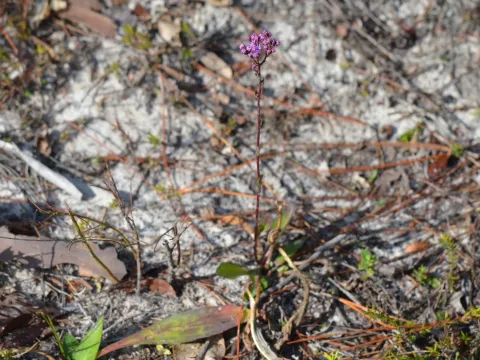
Carphephorus
Carphephorus
Seeds of Carphephorus should be sown in late winter or early spring using a controlled indoor environment. Cold stratification is often recommended to improve germination rates significantly.
What the section contains

Carphephorus
Starting with seedlings is the most reliable method for home gardeners. This allows for the development of a robust root system before the plants are transferred to their permanent outdoor location.
Seedlings should be pricked out into individual pots once the first true leaves appear. Adequate light and airflow are essential at this stage to prevent the plants from becoming leggy.
Transplanting to the garden should occur after all risks of frost have passed. Space plants approximately 30–40 cm apart to ensure proper air circulation and growth space.
Propagation can also be achieved through root division, which is typically performed in early spring or autumn to maintain the genetic characteristics of the parent plant.
Carphephorus thrives in sunny locations with excellent exposure to sunlight. While it can handle partial shade, full sun is necessary for the most vibrant and abundant floral display.
The soil must be well-draining, fertile, and slightly acidic to neutral in pH. Avoid heavy clay soils that retain excessive moisture, as these can lead to root damage.
Drainage is the most critical factor for the long-term health of Carphephorus. In areas prone to waterlogging, planting in raised beds is highly recommended to protect the root system.
Watering should be consistent, ensuring the soil remains moist but never waterlogged. While established plants show some drought tolerance, prolonged dry spells can negatively affect bloom quality.
Use a balanced, low-nitrogen fertilizer during the growing season to support strong stems and prolific flowering rather than just excessive leaf production.
Root rot is the most common threat to Carphephorus, usually caused by overwatering or poor drainage. It is essential to ensure that the soil does not stay perpetually saturated.
Pest issues often include aphids and spider mites, particularly in hot and dry climates. Regular monitoring and early intervention are key to preventing widespread infestations.
Fungal diseases like powdery mildew can appear in humid conditions. Maintaining good spacing between plants helps increase airflow and reduces the risk of fungal spread.
Control of weeds is important not only for nutrient competition but also to reduce the habitat for various insects that might carry diseases to the plants.
Integrated pest management, including the use of bio-insecticides, is the safest approach for keeping these perennials healthy throughout the entire growing season.
Harvesting for cut flowers should be done when the flower heads are fully open. Clean, sharp shears are necessary to make precise cuts and maintain the longevity of the stems.
For dried arrangements, cut the stems when the blooms are fully mature but before they begin to fade. Hang them upside down in a dark, dry, and well-ventilated area.
In the landscape, Carphephorus serves as a late-season star, providing vibrant colors in late summer and autumn when many other plants have already ceased blooming.
Post-flowering care involves cutting back spent flower stalks. This process prevents the plant from wasting energy on seed production and directs resources to the roots.
In colder regions, apply a layer of mulch around the base of the plant in late autumn to protect the crown from freezing temperatures and provide winter insulation.