
Carthamus eriocephalus
Carthamus eriocephalus
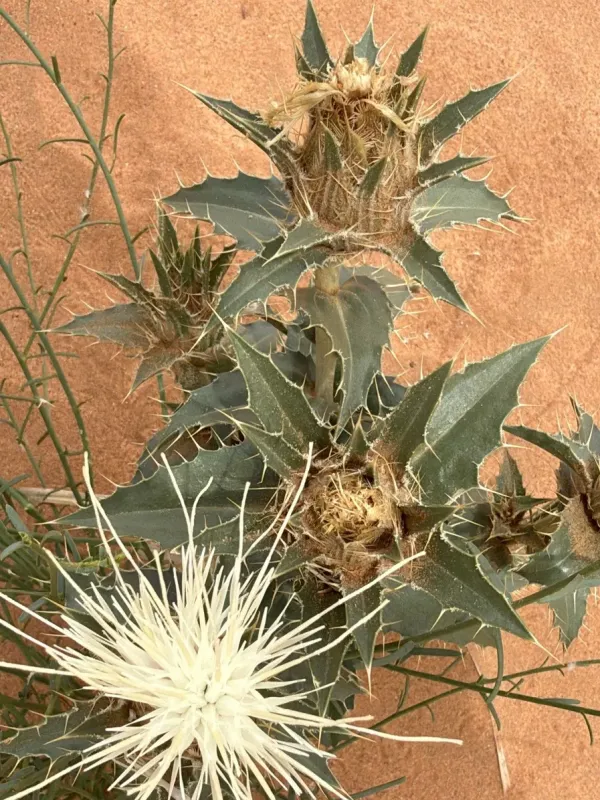
Description
Sowing dates
Carthamus eriocephalus is a heat-loving crop that requires early sowing in well-warmed soil to ensure uniform germination and establishment.
The optimal time for planting occurs when the top layer of the soil reaches temperatures between 8 and 10 degrees Celsius.
Agronomists recommend using row planting methods to facilitate mechanical weed control and allow better air circulation within the canopy.
The seed depth typically ranges from 4 to 6 centimeters, ensuring the seeds are placed in moist soil conditions for efficient water uptake.
Strategic timing of sowing helps the plant establish a strong root system before the onset of the hottest summer periods.
Growing requirements
This crop belongs to the Asteraceae family and is recognized for its remarkable drought resistance, making it suitable for arid agricultural zones.
It thrives in loose, deep, and well-drained soils, as waterlogging is detrimental and can lead to root rot and other physiological issues.
Light intensity is a critical factor for development; the plant requires abundant sunshine to maximize oil accumulation within the seeds.
Ideal conditions include neutral to slightly alkaline soils, such as chernozems or chestnut soils, which provide the necessary nutrient balance.
The plant possesses a deep taproot, allowing it to adapt to moisture-deficient environments and survive periods of low precipitation.
Yield
The yield potential of the crop is primarily determined by adherence to best management practices and the overall fertility level of the soil.
Under optimal environmental conditions and adequate moisture during the flowering phase, the crop produces high-quality oilseed yields.
Its primary industrial use involves the extraction of valuable oil, which is highly regarded for its profile of essential fatty acids.
Yield stability is supported by selecting appropriate planting densities and ensuring proper nutrient management throughout the growing season.
Careful monitoring of the crop canopy helps maintain high productivity and consistent quality for the downstream processing industry.
Main diseases and pests
Fungal diseases like rust and fusarium wilt pose the most significant threat to this crop, especially during periods of high atmospheric humidity.
Wireworms and aphids are the most common pests, with wireworms attacking the roots and aphids damaging leaves and reducing plant vigor.
Weed competition must be managed early in the growing cycle to prevent the spread of diseases and maintain access to soil nutrients.
- Implement strict crop rotation protocols.
- Monitor for pest outbreaks on a weekly basis.
- Apply certified fungicides only when thresholds are exceeded.
A proactive protection program, including seed treatment, is essential to minimize yield losses and ensure consistent crop health.
Harvesting
Harvesting is performed via direct combine harvesting when seed moisture reaches 10 to 12 percent and the flower heads turn brown.
Timing the harvest correctly is vital, as excessive delay in the field can lead to significant shattering and yield loss due to seed dispersal.
Combine settings should be adjusted to minimize seed breakage, ensuring that the final output meets the quality standards for oil production.
Immediate post-harvest cleaning is necessary to remove debris and reduce the risk of storage-related spoilage.
Proper drying and ventilation after the harvest help preserve the oil quality and maintain the integrity of the seeds for long-term storage.