
Carpesium divaricatum
Carpesium divaricatum
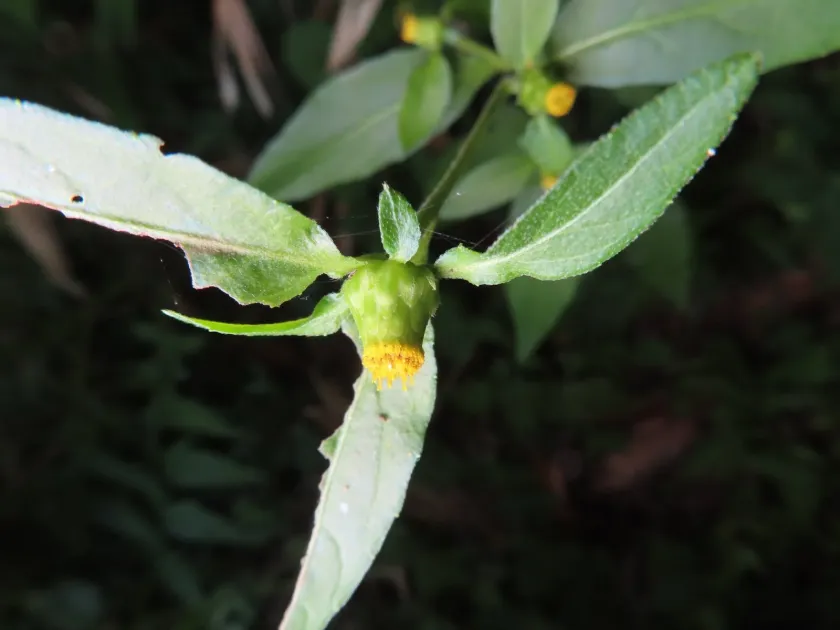
Description
Sowing dates
Carpesium divaricatum is a perennial herbaceous plant belonging to the Asteraceae family. Sowing is typically carried out in the spring, once the soil temperature consistently reaches 12 to 15 degrees Celsius to ensure successful germination.
To achieve high germination rates, seeds are often subjected to a stratification process lasting between 30 and 45 days in cool conditions. This treatment breaks dormancy and promotes uniform seedling emergence across the field.
Seeds are sown at a shallow depth of 1–2 centimeters, as they require adequate light and contact with soil moisture to sprout effectively. Post-sowing, the surface is lightly pressed to maintain moisture in the topsoil layer.
Spacing is a crucial factor for this crop, as it develops a wide, bushy habit. Planting in rows spaced 40–50 centimeters apart ensures optimal ventilation and reduces the competition for nutrients and sunlight among individual plants.
Seedlings emerge within 2 to 3 weeks, provided that the soil is kept moist but not waterlogged. Early stage development is slow, making it essential to manage weed control manually or through precise cultivation during the first two months.
Growing requirements
The plant thrives in fertile, well-drained soils with a neutral to slightly acidic pH. Sandy or loamy soils rich in organic matter are ideal for maximizing the growth of the vegetative mass used for medicinal purposes.
Carpesium divaricatum requires significant sunlight to develop high-quality leaves and flowering stems. Shaded locations result in weak, leggy growth and lower concentrations of essential compounds within the plant tissues.
The optimal temperature range for active growth is between 18 and 25 degrees Celsius. While it demonstrates reasonable hardiness, protecting the root zone during harsh winters is recommended to ensure the plant returns the following season.
Agronomic management involves regular inter-row cultivation to prevent soil crusting and improve oxygen supply to the roots. Maintaining soil structure through periodic cultivation is essential for consistent growth throughout the season.
Watering should be balanced, as the plant is susceptible to root rot in overly saturated environments. Implementing a drip irrigation system can help maintain the required moisture level while avoiding direct wetting of the foliage.
Main diseases and pests
The primary pests affecting this crop include aphids and spider mites, which typically attack tender young leaves during peak growth periods. Integrated pest management using soaps or neem-based products is effective for organic control.
Powdery mildew represents the most significant fungal threat, thriving in humid, poorly ventilated planting conditions. Preventive measures include wide spacing and the use of resistant crop varieties to minimize the spread of the fungus.
Root rot is often caused by poor drainage or overwatering. Once a plant is infected, there is usually no cure; therefore, the focus must remain on preventative maintenance and ensuring proper soil health before planting.
Slugs and snails can be problematic for young plants, especially during wet springs. Physical barriers, such as wood ash or crushed gravel around the base of the stems, are effective non-chemical methods to discourage these pests.
Viral diseases are less common but can be transmitted via insect vectors. The management strategy revolves around strict field sanitation and the immediate removal of any infected plants to prevent the spread of the pathogen.
Harvesting
Harvesting is concentrated on the aerial parts of the plant during the full bloom stage. At this developmental phase, the concentration of secondary metabolites is at its peak, providing the best quality for pharmaceutical extraction.
The harvest should be conducted on dry, sunny days after the dew has evaporated. Using sharp shears to cut the stems ensures minimal stress to the perennial root system, allowing for potential regrowth in subsequent cycles.
Drying is performed in shaded, well-ventilated drying racks at temperatures not exceeding 40 degrees Celsius. This controlled environment protects the plant material from UV damage, preserving the essential oils and natural green color.
Following the drying process, the material is cleaned of any dirt or woody debris. A quality check is performed to ensure the leaf texture and scent profile are consistent with professional medicinal standards.
Finished produce is stored in airtight, moisture-proof containers in a cool, dark room. Properly prepared and stored Carpesium divaricatum retains its medicinal efficacy for approximately 18 to 24 months before its quality begins to degrade.