
Carpesium cernuum
Carpesium cernuum
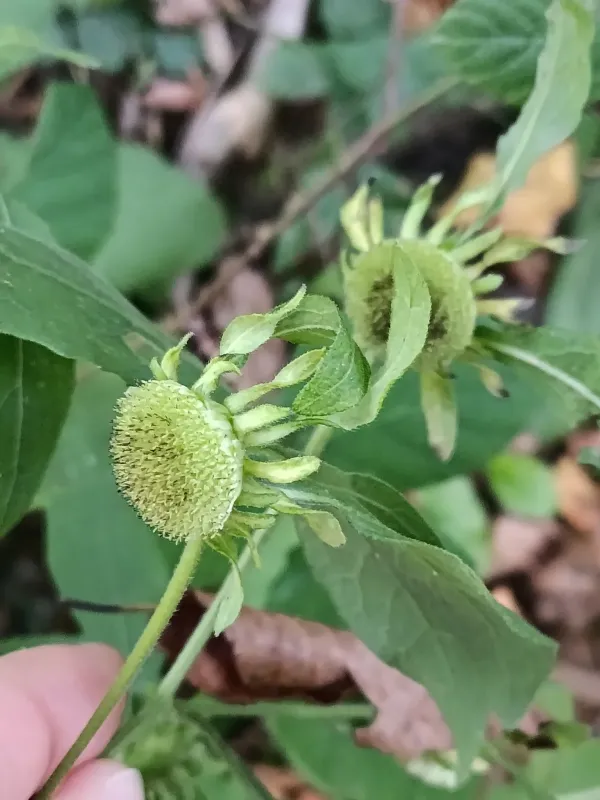
Description
Sowing dates
Carpesium cernuum, known as a member of the Asteraceae family, is a perennial herbaceous plant. Its cultivation requires careful attention to soil preparation and timing to ensure optimal establishment of the crop.
Sowing should take place either in late autumn or early spring when soil temperatures allow for germination. Seeds are relatively small and should be sown at a depth of approximately one centimeter.
For best results, the soil must be well-tilled and free of large clumps to ensure consistent seed-to-soil contact. This practice helps maximize the germination rate during the critical initial growth phase.
Row spacing is typically maintained at 45 to 60 centimeters. This provides enough space for the plants to spread and simplifies the mechanical or manual weed control operations necessary during the growing season.
After emergence, thinning is recommended to ensure that individual plants have enough space to develop their root systems and foliage without competing for essential nutrients and sunlight.
Growing requirements
This plant thrives in moist, loose, and fertile soil. Loamy soils with a neutral or slightly acidic pH are ideal for supporting the vigorous growth of Carpesium cernuum.
It is a sun-loving species that requires well-exposed areas to maximize its biological potential. Shaded sites should be avoided to prevent leggy growth and reduced concentration of active compounds.
Water management is essential, especially during the peak of the growing season. While the plant prefers moist conditions, it does not tolerate waterlogged soil, which can lead to root system failure.
Fertilization should be balanced. A base application of organic compost is recommended during land preparation, followed by supplemental nutrition if the soil analysis indicates a nutrient deficiency.
The crop prefers moderate temperatures. High humidity combined with excessive heat during the summer months should be managed by ensuring proper airflow through the field to reduce stress.
Main diseases and pests
Common threats to Carpesium cernuum include various fungal infections, particularly those that thrive in conditions of high soil moisture or inadequate field ventilation.
Root rot is a major risk factor, often caused by poor drainage or over-irrigation. Prevention through proper soil preparation and crop rotation is the most effective management strategy.
Pests such as aphids and leaf-eating beetles may infest the crop during the growth phase. Regular scouting is required to detect these threats before they cause significant economic damage.
Integrated pest management, including the use of biological control agents and keeping the fields free of weeds, helps to maintain the overall health of the plant population.
- Proper drainage management
- Implementation of crop rotation
- Regular field monitoring
- Judicious use of biopesticides
Harvesting
The harvest period is critical for maintaining product quality. It is typically conducted during the full flowering stage, when the plant's active components are at their highest concentration.
Plants are cut cleanly, usually 10-15 centimeters above the ground. This method ensures that the plant remains healthy and allows for potential regrowth depending on local climatic conditions.
Post-harvest handling must be efficient. The material should be moved quickly from the field to the drying facility to prevent fermentation or chemical degradation caused by heat and moisture.
Drying is performed in shaded, well-ventilated areas or in temperature-controlled chambers. Maintaining a drying temperature below 40 degrees Celsius preserves the integrity of the plant's chemical profile.
Once dried, the crop is sorted to remove impurities, then packed into breathable containers. Proper storage in a cool, dark, and dry environment is essential for a long shelf life.