
Carpesium rosulatum
Carpesium rosulatum
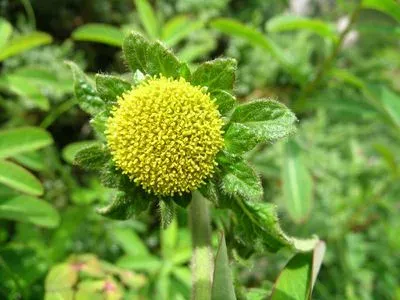
Description
Sowing dates
Carpesium rosulatum is a perennial herbaceous plant belonging to the Asteraceae family. In agricultural settings, the seeds are typically sown in well-prepared, fertile soil during the spring, after the danger of late frost has completely passed.
To ensure high germination rates, seeds often require a period of stratification to mimic natural winter dormancy. The seeds should be planted at a shallow depth of approximately 1–2 centimeters, ensuring they receive enough light to trigger the sprouting process effectively.
Rows should be spaced 40–50 centimeters apart to provide adequate airflow and space for root system development. This spacing also facilitates easier mechanical weeding and aeration of the soil during the early stages of plant growth.
During the first few weeks, seedlings are particularly sensitive to moisture fluctuations and direct sunlight. It is recommended to provide temporary shading and maintain consistent soil moisture until the plants establish a robust root system.
In regions with shorter growing seasons, starting the plants in a nursery setting before transplanting them to the field can significantly improve survival rates and overall uniformity of the crop.
Growing requirements
The plant thrives in fertile, loamy soils that possess good drainage and a neutral to slightly acidic pH. Waterlogging must be avoided at all costs, as it quickly leads to root rot and the decline of plant vitality.
Carpesium rosulatum prefers sunny locations but can tolerate partial shade, particularly in hotter climates where protection from midday sun is beneficial. The site should also be protected from strong, drying winds that can cause plant stress.
Incorporating organic matter such as well-composted manure before planting is essential for long-term soil health. Supplemental nitrogen should be applied sparingly, focusing on balanced nutrients to support steady growth rather than excessive foliage.
Mulching the base of the plants with straw or hay is an excellent practice for preserving soil moisture and suppressing competitive weeds. This layer also keeps the roots cool during the heat of the summer months.
Monitoring soil moisture levels regularly is critical for successful cultivation. During extended dry spells, supplemental irrigation should be provided, ensuring the water penetrates deep enough to support the root zone.
Yield
The primary economic output of this culture consists of leaves and flower heads, which contain specialized bioactive compounds. Yield potential increases as the plants mature, typically reaching its peak in the second or third year of cultivation.
Productivity is highly dependent on planting density and the consistency of the maintenance regimen. A well-managed plantation can remain productive for several years, providing multiple harvests without the need for immediate reseeding.
Mechanical harvesting techniques can be applied to larger plots, provided the cutting equipment is adjusted to avoid damaging the base of the plant. This helps to ensure rapid regeneration after the harvesting procedure.
The highest concentrations of active ingredients are generally found at the beginning of the flowering phase. Timing the harvest to coincide with this stage is crucial for ensuring the quality and medicinal value of the final product.
Proper post-harvest handling is essential to maintain the integrity of the collected material. The crop should be cleaned, sorted, and prepared for drying immediately after collection to prevent degradation of its beneficial components.
Main diseases and pests
Common pests affecting this species include aphids and spider mites, which can cause significant damage to young foliage during dry and hot weather. Biological control methods, such as neem oil or soap-based sprays, are recommended.
Fungal diseases like powdery mildew are common risks, especially in high-humidity environments with poor ventilation. Ensuring adequate space between plants and removing any infected foliage immediately can prevent the spread of these pathogens.
Root rot is a frequent issue caused by poor drainage or overwatering. Preventing water accumulation at the base of the plant is the primary strategy for maintaining long-term crop health and preventing losses.
Integrated pest management, including crop rotation and the use of natural insect repellents, minimizes the need for synthetic chemical inputs. This results in a cleaner, higher-quality harvest suitable for medicinal purposes.
Maintaining a weed-free field is vital, as many weeds act as reservoirs for diseases that can easily infect the crop. Regular cultivation between rows is a simple yet effective way to maintain a healthy growing environment.
Harvesting
Harvesting should be conducted on a dry day, ideally during the morning hours once the dew has evaporated. Harvesting while the plants are wet can lead to mold and fermentation, which destroys the quality of the raw material.
The leaves and flowering heads are harvested using sharp tools to ensure clean cuts. Care must be taken to avoid crushing the material during the collection process, as bruised plant parts lose their aroma and active compounds quickly.
Drying is performed in specialized, well-ventilated drying facilities at temperatures not exceeding 40 degrees Celsius. Excessive heat can cause the loss of volatile oils and reduce the overall medicinal quality of the harvested plants.
Once dried, the product is cleaned of impurities and graded for quality. This sorting stage is essential to ensure the final product meets market requirements and safety standards for herbal preparations.
Storage should take place in a dark, cool, and dry location using paper or fabric containers to allow the product to breathe. Properly stored, the herb can maintain its potency and effectiveness for up to two years.