
Nepal carpesium
Carpesium nepalense
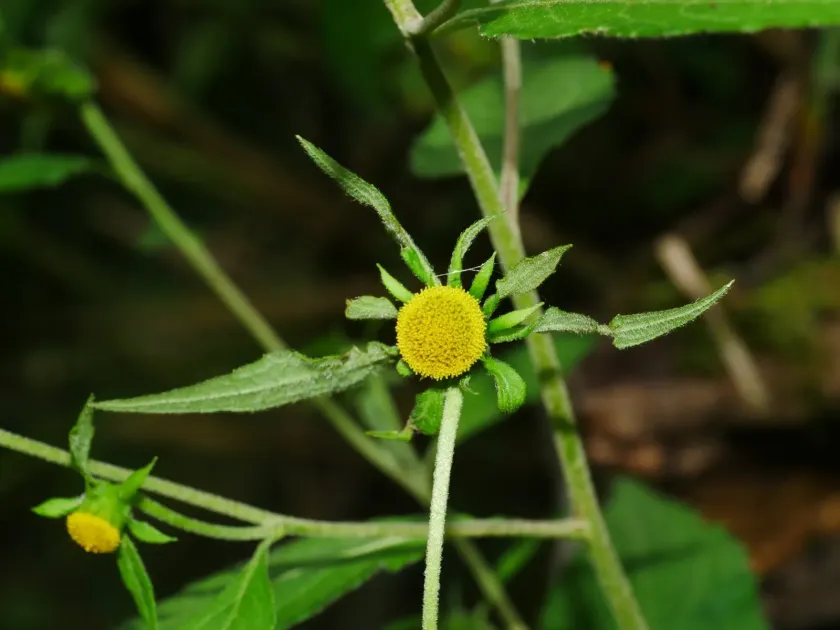
Description
Sowing dates
Sowing of Nepal carpesium seeds is typically carried out in early spring, once soil temperatures consistently reach at least 12–15 degrees Celsius for germination.
Seeds should be sown at a shallow depth of approximately 1 to 2 centimeters, as they require sufficient exposure to ambient light to successfully initiate sprouting.
For optimal plant spacing and air circulation, it is recommended to maintain row intervals of 40–50 centimeters, facilitating easier maintenance and weed control.
Consistency in moisture management is critical during the first three weeks post-sowing, as the seedlings are highly susceptible to desiccation during establishment.
Seed preparation, including optional pre-soaking, can significantly enhance germination uniformity and lead to a more robust initial stand of the crop.
Growing requirements
Carpesium nepalense, a member of the Asteraceae family, is a perennial herb that thrives in environments mirroring its native mountainous habitats in Nepal and India.
The crop performs best in well-drained, fertile, loamy soils that maintain a neutral to slightly acidic pH, providing essential nutrients for sustained development.
While the plant exhibits partial shade tolerance, it requires consistent dappled sunlight to optimize the metabolic production of its active phytochemical constituents.
Climate requirements include moderate humidity levels; therefore, in drier agricultural zones, supplemental irrigation is necessary to prevent physiological stress.
Adequate soil aeration is paramount, and incorporating organic matter prior to planting is a highly recommended practice for improving the overall soil structure.
Main diseases and pests
Fungal pathogens such as powdery mildew represent a significant threat to crop health, especially during periods of high humidity and restricted air circulation.
Root rot can occur if soil drainage is insufficient, often leading to rapid plant decline and substantial loss of biomass in waterlogged agricultural plots.
Aphid infestations are a common pest issue, typically targeting the succulent young growth and potentially spreading secondary viral pathogens within the field.
Spider mites can also become problematic during extended hot and dry spells, necessitating proactive monitoring and localized management to prevent foliage damage.
Implementation of integrated pest management (IPM) strategies is recommended to minimize chemical residues while effectively managing the pest populations.
Harvesting
Harvesting of the medicinal aerial parts should occur precisely during the peak flowering stage to ensure the highest concentration of bioactive secondary metabolites.
The stems should be cut cleanly several centimeters above the ground, ensuring that the root system remains undisturbed to facilitate potential regrowth.
Immediate post-harvest processing is vital; the biomass must be moved quickly to a drying facility to prevent moisture-related degradation of sensitive compounds.
Drying should take place in a shaded, well-ventilated area, with the plant material spread thinly on racks to promote uniform dehydration and quality retention.
Once dried, the product should be packed into breathable, moisture-resistant containers and stored in a cool, dark environment to preserve its therapeutic efficacy.