
Carpesium triste
Carpesium triste
Description
Growing requirements
Carpesium triste is a herbaceous perennial plant belonging to the Asteraceae family. Native to East Asia, including regions of China and Japan, it has historically been valued for its specific medicinal properties, particularly in traditional phytotherapy.
The crop thrives in temperate climates and requires well-drained, fertile soil to ensure optimal development. It performs best in sites with partial sunlight, although it can adapt to full sun provided that soil moisture is consistently managed during the active growing season.
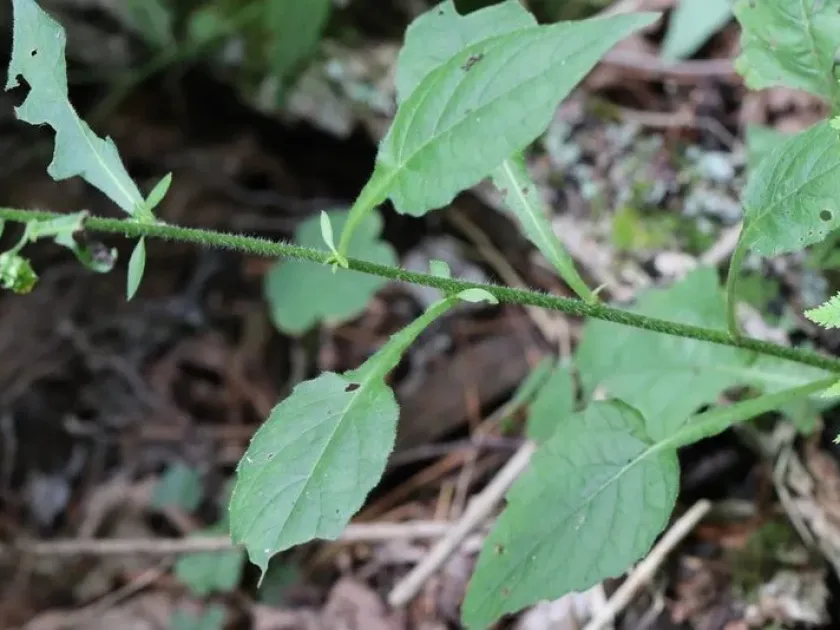
Botanically, the plant is characterized by its yellow flower heads and typical aster-like foliage. It is sensitive to soil compaction, so cultivating in loose, nutrient-rich soil is essential for the root system to expand fully and efficiently take up nutrients.
The agronomic management of this species involves maintaining appropriate soil pH levels between 6.0 and 6.8. Application of organic compost is recommended to enhance soil structure and provide the necessary nitrogen for vegetative growth.
In terms of agricultural utility, Carpesium triste is primarily cultivated for the extraction of bioactive compounds. These compounds have demonstrated significant potential in medicine, particularly for their anti-parasitic and anti-inflammatory characteristics.
Main diseases and pests
Like many plants in the Asteraceae family, Carpesium triste is susceptible to fungal diseases such as powdery mildew. This is particularly prevalent in environments with high humidity or poor air circulation, necessitating spacing between individual plants.
Pests such as aphids and spider mites can infest the leaves during hot, dry summer months. Biological control methods, such as introducing beneficial insects, are highly recommended to maintain the medicinal quality of the harvest.
Root rot caused by stagnant water is a major threat to the survival of the plant. Field preparation, including proper drainage systems, is vital to prevent soil saturation and subsequent plant loss during the rainy season.
Competition from invasive weeds can severely hinder the establishment of Carpesium triste. Frequent weeding and the use of natural mulch are essential components of the maintenance schedule to ensure crop health.
Soil-borne pests may also pose a risk to the root system. Periodic scouting of the crop is necessary to detect early signs of damage, allowing for prompt intervention without resorting to harsh chemical treatments that could degrade the medicinal properties of the plant.