
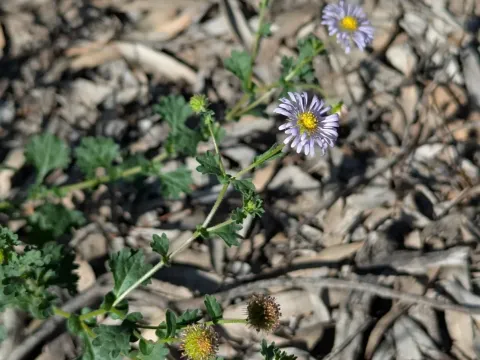
Calotis
Calotis
Sowing Calotis seeds should be carried out in the spring, once the soil has sufficiently warmed and the threat of frost has passed.
What the section contains


Calotis
Seeds are best sown in a well-draining substrate if using the seedling method, providing enough light for successful germination.
When sowing directly into the ground, it is recommended to cover the seeds with a thin layer of fine soil to prevent them from drying out.
Maintaining consistent moisture during the initial weeks is crucial for the establishment of young seedlings before they develop a deep root system.
Spacing between plants should be adjusted according to the specific species, typically ranging between 20 to 40 centimeters to ensure adequate airflow.
Calotis is a genus of herbaceous plants belonging to the Asteraceae family, predominantly native to various regions of Australia.
These plants have evolved to survive in arid and semi-arid environments, making them naturally adapted to low-water conditions and poor soils.
Full sun exposure is a fundamental requirement for the healthy growth and abundant flowering of Calotis species in a garden or field setting.
Sandy or rocky soils are ideal, as they allow for the rapid drainage necessary to prevent root rot, which is the most common cause of plant failure.
The culture thrives in environments with low to moderate rainfall and performs best when soil structure is loose and well-aerated.
The primary threat to the health of Calotis is the development of fungal pathogens, particularly in poorly drained or waterlogged soils.
Overwatering can lead to rapid wilting and decay of the root system, making it essential to monitor moisture levels carefully throughout the season.
Common agricultural pests such as aphids and spider mites can infest the foliage, especially during hot and dry spells in the growing cycle.
Root-knot nematodes may also impact the plant's vitality in certain soil types, necessitating the use of healthy, pathogen-free planting material.
Effective management includes regular monitoring, weed control to improve airflow, and the application of pest-control products when infestations are detected.