
Calotis dentex
Calotis dentex
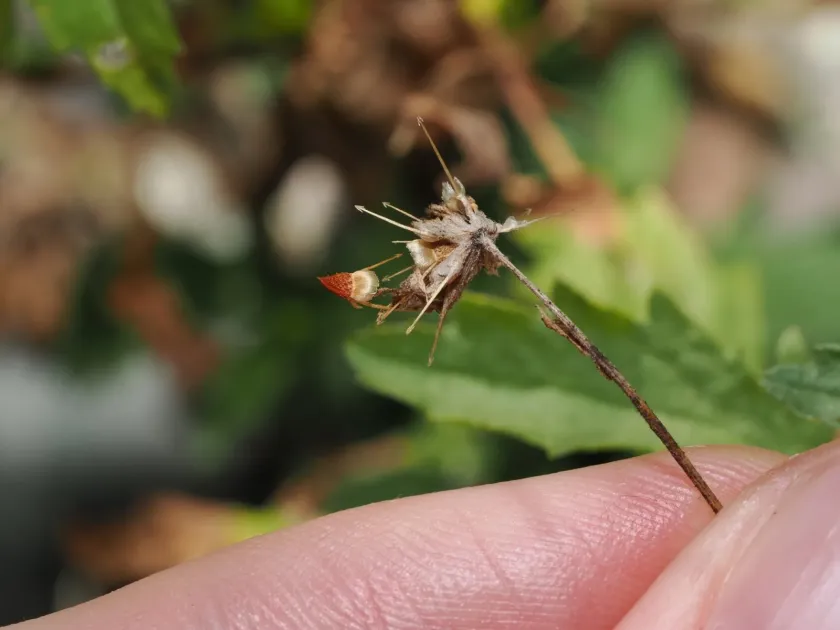
Description
Growing requirements
Calotis dentex is a perennial herbaceous plant belonging to the Asteraceae family. Native to the Australian continent, this species has evolved to thrive in arid and semi-arid environments, making it a highly resilient subject for specific agricultural and horticultural applications.
Botanically, it features distinct dentate foliage and yellow flower heads typical of the daisy family. Its root system is deep and efficient, allowing the plant to sustain growth during long periods without supplemental irrigation, provided the soil moisture is sufficient at planting depth.
The plant requires well-drained, porous soils to flourish. Sandy or loamy soils are ideal, as they prevent the water stagnation that commonly causes root decay in this species. Heavy clay soils should be amended with organic material or sand to improve aeration.
Exposure to full sunlight is essential for Calotis dentex. Shade-induced conditions significantly reduce the biomass production and may lead to spindly stems, diminishing both the ornamental and forage potential of the plant.
Agricultural interest in this plant is driven by its hardiness and potential as a component in sustainable forage systems or xeriscaping projects. It requires minimal inputs compared to standard agricultural crops, making it economically viable in water-limited areas.
Main diseases and pests
The primary threats to Calotis dentex cultivation include fungal infections, specifically root rot, which are often triggered by improper irrigation management or lack of soil drainage.
Insect pests, such as aphids, can occasionally infest new growth during the spring, which may require targeted biological control measures to prevent significant damage.
Root-knot nematodes have been observed in some sandy soils, necessitating crop rotation strategies to break the parasite cycle and ensure soil health for subsequent planting seasons.
Managing weed competition is critical during the establishment phase, as the young plants are susceptible to being outcompeted by more aggressive invasive grass species.
Maintaining adequate plant spacing is a fundamental practice to ensure airflow, which significantly reduces the risk of leaf spot and other humidity-related pathogens that can plague the foliage.