
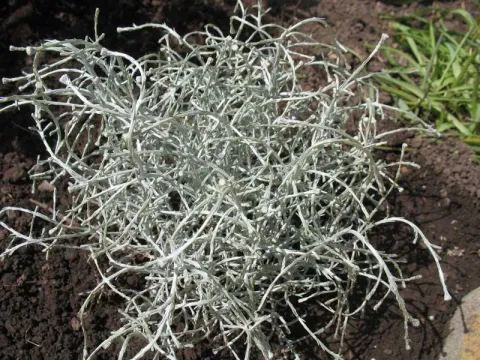
Calocephalus
Calocephalus
Calocephalus (Calocephalus brownii), commonly known as the cushion bush, is a unique ornamental plant belonging to the Asteraceae family. Native to the coastal dunes of Australia, it is highly adapted to sandy, nutrient-poor soils and saline winds.
What the section contains


Calocephalus
The plant features a distinctive, multi-branched structure with silver-grey, wire-like stems covered in fine hairs. This dense, cushion-like habit makes it a popular choice for rock gardens and modern landscape designs as a structural accent.
Optimal growth requires full sun exposure. Calocephalus thrives in high-light conditions, which help maintain its compact, spherical shape and intense metallic silver foliage. In low light, the plant tends to become spindly and loses its architectural appeal.
Regarding soil requirements, the plant demands excellent drainage. It is perfectly suited for sandy or rocky soils with neutral to slightly alkaline pH. Heavy or waterlogged soil is fatal for this species as it quickly promotes root rot.
Cultural management involves minimal watering and occasional shaping. Regular pruning is essential to keep the cushion tight and encourage new growth. It is often treated as an annual in colder climates or kept as a pot plant for summer displays.
Excessive soil moisture is the primary threat to the health of Calocephalus. Poor drainage often leads to root rot and fungal infections, such as grey mould, which can kill a mature plant in a very short period of time.
Pests, particularly aphids and spider mites, are common nuisances. These insects often colonize the fine, fuzzy stems, sucking sap and causing the foliage to lose its vibrant colour, ultimately leading to stunted growth.
Managing fungal diseases requires proactive measures, such as providing adequate air circulation and using systemic fungicides immediately if any sign of wilt or discolouration is detected at the base of the stems.
Pest control is most effective when addressed early. Biological agents or horticultural oils can be used to treat mite infestations, while persistent aphids may require targeted systemic insecticides to ensure complete removal from the intricate foliage.
To prevent disease outbreaks, gardeners should avoid overhead watering, which keeps the stems moist for too long. A clean, well-draining environment is the best protection against both pathogens and the most common plant pests.