
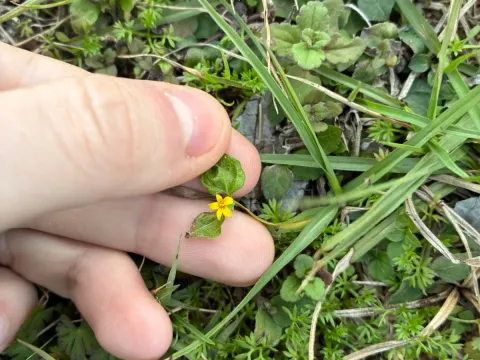
Calyptocarpus
Calyptocarpus
Calyptocarpus, specifically the species Calyptocarpus vialis, is a warm-season plant that requires stable soil temperatures to germinate effectively and establish early growth.
What the section contains

Calyptocarpus
Sowing should ideally be scheduled after all threats of frost have passed, as the plant is highly sensitive to cold temperatures during its seedling stage.
Seeds are typically sown at a shallow depth, ensuring they remain moist until the radical emerges, which usually occurs within 7 to 14 days under optimal conditions.
When propagating via cuttings or division, it is recommended to conduct these operations during the active growing season to ensure quick root development.
Spacing should be managed according to the desired density, as the plant is known for its ability to spread rapidly across available ground surfaces.
As a member of the Asteraceae family, Calyptocarpus thrives in a variety of environments, preferring areas that offer consistent moisture and moderate to high light levels.
It is adaptable to a wide range of soil types, including sandy, loamy, and clay-based soils, provided they are not permanently waterlogged or excessively saline.
While the plant shows some drought tolerance once established, irrigation is necessary during dry spells to maintain high-quality foliage and continuous production.
The optimal temperature range for growth is between 20 and 30 degrees Celsius, with growth rates slowing significantly as temperatures approach the freezing point.
Soil fertility can be enhanced with balanced fertilizers; however, the plant is quite hardy and can survive in poor soils if the moisture regime is adequate.
Calyptocarpus is generally robust but remains susceptible to fungal issues such as powdery mildew, especially in regions with high humidity and poor air circulation.
Insect pests such as aphids and spider mites are common threats that can cause damage by feeding on the sap of the tender leaves and stems.
Cultural control methods, such as maintaining proper plant spacing and removing debris, are the first line of defense against most biological threats.
Early detection of infestations is vital to preventing widespread damage, as the rapid growth habit of the plant can sometimes harbor pests unnoticed.
Effective management includes regular monitoring for symptoms of stress, which usually precedes severe pest or disease outbreaks in dense plantings.