
Calotis scabiosifolia
Calotis scabiosifolia
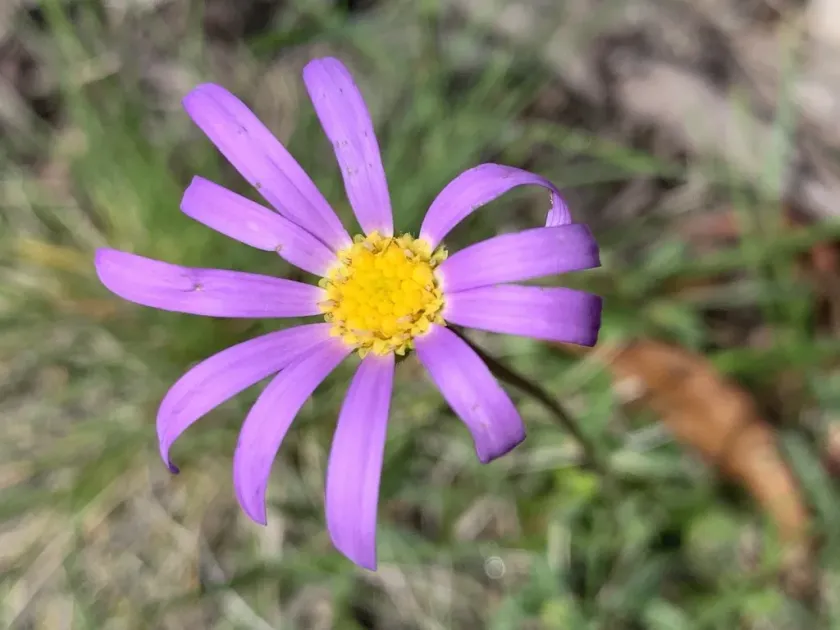
Description
Growing requirements
Calotis scabiosifolia is a perennial herbaceous plant belonging to the Asteraceae family. Native to the diverse landscapes of Australia, it is known for its resilience and adaptability to open habitats.
The plant thrives in well-drained soils and requires full sun exposure to maintain its structural integrity and flower production. It is particularly well-suited to sites with sandy or loamy soils that prevent waterlogging.
Climate requirements include a preference for moderate temperatures and a clear distinction between growing and resting seasons. It is capable of enduring periods of low rainfall, demonstrating a survival mechanism typical of its native range.
Agronomic management involves spacing plants appropriately to ensure adequate airflow, which is crucial for reducing humidity around the foliage and preventing potential fungal issues.
Nutrient requirements are relatively modest; however, a balanced organic fertilizer applied during the early vegetative stage can significantly enhance the plant's overall vigor and resistance to environmental stress.
Main diseases and pests
The primary threats to Calotis scabiosifolia include root pathogens, which often arise from over-irrigation. Maintaining a dry crown area is essential to prevent rot during periods of high humidity.
Common pests such as aphids and leaf miners may affect younger foliage. Integrated pest management strategies, focusing on biological controls, are recommended to maintain ecological balance in the field.
Powdery mildew can be a problem if air circulation is poor. Thinning out overcrowded sections of the crop is a standard cultural practice to mitigate this risk.
Regular inspections are vital to detect early signs of infestation. Early intervention prevents the rapid spread of pests and diseases across the cultivation area.
Proper sanitation, including the removal of dead plant material at the end of the season, reduces the overwintering potential of various pathogens and harmful insects.