
Wedge-leaf burr-daisy
Calotis cuneata
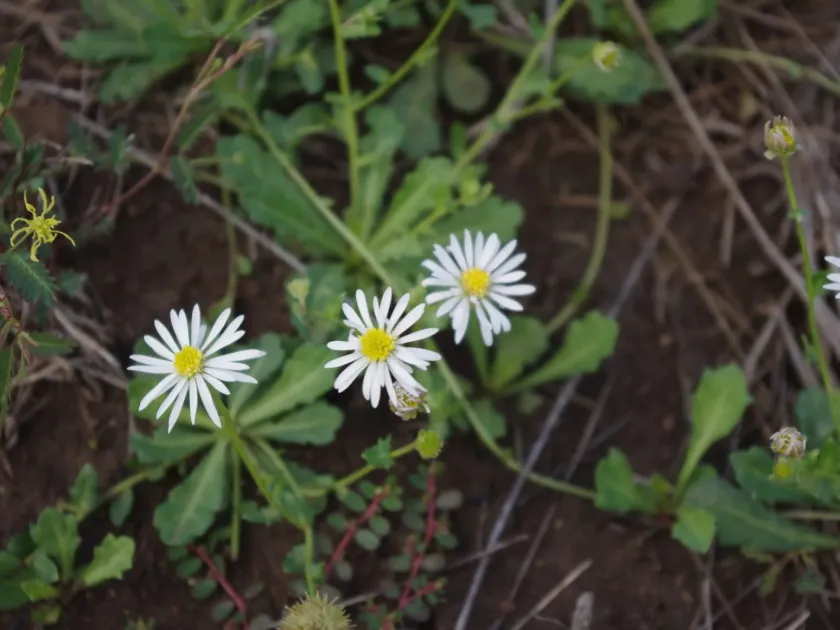
Description
Sowing dates
Calotis cuneata is an Australian native species adapted to specific dryland growth cycles. In agricultural settings, sowing is best performed in early spring when day length and temperatures are conducive to germination.
Seeds require a well-drained, sandy substrate to mimic their natural habitat. Maintaining a soil temperature of approximately 20–22 degrees Celsius is critical for achieving optimal emergence rates.
Seed depth should be kept to a minimum; surface sowing or very light covering is recommended as light is a limiting factor for the germination of this species.
Proper spacing is essential to ensure adequate airflow and sunlight penetration. Rows should be spaced 40–50 centimeters apart to reduce competitive stress among individual plants.
Early stage development is sensitive to moisture fluctuations. Implementing a precise irrigation schedule immediately after sowing ensures the establishment of a robust root system before seasonal heat arrives.
Growing requirements
This species belongs to the Asteraceae family and is characterized by its distinct wedge-shaped leaves. It is a perennial plant that has evolved to thrive in nutrient-poor and high-drainage environments.
Calotis cuneata requires full sun exposure to maintain its physiological health. Shade should be avoided as it significantly inhibits the plant's growth rate and structural integrity.
Soil requirements focus on high aeration and drainage. Loam or sandy-textured soils are ideal, as the plant is highly susceptible to root decay if water retention is too high.
The species demonstrates remarkable drought tolerance once established. Supplemental irrigation should only be provided during extended dry spells, always ensuring the soil has time to dry out between watering.
Fertilization management must be cautious. The plant is sensitive to high phosphorus levels, reflecting its native adaptation to the phosphorus-poor soils of the Australian outback.
Main diseases and pests
The primary threat to the crop is root rot caused by poor soil drainage or excessive irrigation. This physiological stressor is often the main cause of yield loss in cultivated settings.
Pests such as aphids and spider mites may infest the foliage during periods of low atmospheric humidity, potentially reducing the overall vitality of the stand.
Fungal issues like powdery mildew can occur when airflow is restricted or humidity remains high. Management should prioritize open site selection and proper thinning of plants.
Integrated pest management involves monitoring for early signs of infestation and using biological or chemical controls only when strictly necessary.
Good agricultural practices, such as maintaining weed-free rows and ensuring optimal plant density, serve as the most effective preventative measures against typical regional pathogens.