
Calotis gaudichaudii
Calotis gaudichaudii
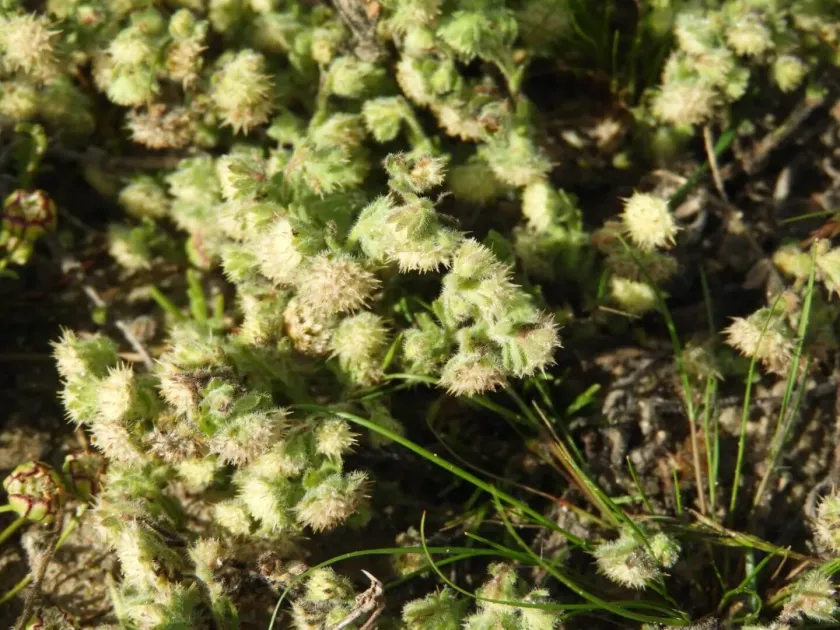
Description
Growing requirements
Calotis gaudichaudii is an herbaceous perennial plant belonging to the Asteraceae family. Native to the diverse landscapes of Australia, this species has evolved to thrive in semi-arid and open woodland environments, exhibiting significant resilience to varying environmental stressors.
The agronomic success of this crop heavily depends on soil composition. It requires well-draining sandy or loamy soils that prevent waterlogging. Excessive moisture around the root zone is the primary factor limiting the plant's development and can induce root rot pathologies.
Regarding climate, the plant exhibits high tolerance for intense solar radiation and heat. It is a heliophilous species, meaning that full exposure to sunlight is mandatory for healthy vegetative growth and the initiation of flowering cycles. It thrives in regions with low atmospheric humidity.
Cultivation practices involve minimal tillage to maintain soil structure and ensure efficient gas exchange for the roots. During the initial stages of establishment, light weeding is necessary to prevent competition for nutrients, although mature stands are highly competitive with native vegetation.
Fertilization should be managed carefully, as the plant is adapted to nutrient-poor soils. Excessive nitrogen application can stimulate overly rapid vegetative growth at the expense of reproductive stability and structural integrity, potentially making the stems prone to lodging.
Main diseases and pests
The primary phytosanitary risks for Calotis gaudichaudii involve fungal pathogens, particularly those affecting the root system in poorly drained sites. Moisture-related diseases are exacerbated during periods of unseasonable rainfall.
Pests such as aphids and spider mites can infest the crop during the spring growing season. These insects feed on the sap of young stems, which can lead to stunted growth and the transmission of viral pathogens if not managed early.
Integrated pest management strategies are recommended to mitigate threats. Utilizing beneficial predatory insects helps maintain pest populations below the economic damage threshold without the need for synthetic pesticide applications.
Regular field scouting is essential to identify symptoms of stress or infestation at an early stage. Observations should include checking the undersides of leaves and assessing the color and turgor pressure of the stems.
Crop rotation and field hygiene, including the removal of dead crop residue, are fundamental practices to interrupt the lifecycle of common soil-borne pathogens and ensure the long-term health of the cultivated area.