
Calocephalus
Calocephalus R. Br.
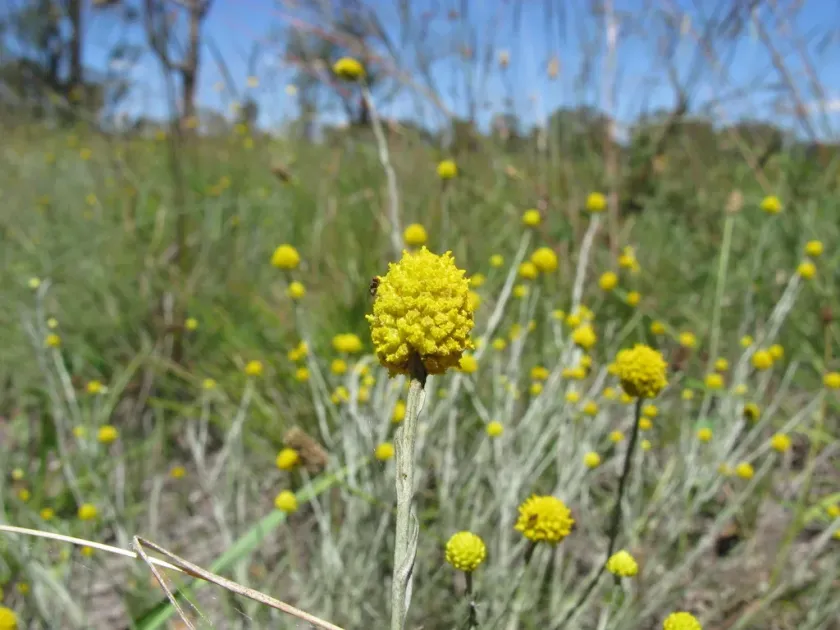
Description
Growing requirements
Calocephalus brownii, commonly known as the cushion bush, is a hardy perennial shrub belonging to the Asteraceae family, native to the coastal dunes and scrublands of Australia.
The plant thrives in full sun conditions, which is essential for maintaining its iconic silver-grey, wire-like foliage. Insufficient light results in elongated stems and a loss of the plant's distinctive structural form.
Regarding soil, this species requires excellent drainage and a sandy, low-nutrient substrate. It is highly adapted to poor soils and does not require heavy fertilization, as excessive nutrients promote weak, spindly growth.
Watering should be approached with caution; the plant is drought-tolerant once established but needs consistent moisture during the initial growth stages. Always ensure that the top layer of soil dries out completely between waterings.
In terms of agricultural maintenance, pruning is recommended to maintain a compact, spherical shape. Regular light trimming encourages new growth and keeps the plant looking dense and healthy throughout the growing season.
Main diseases and pests
The primary threats to Calocephalus include root rot caused by stagnant moisture and overly humid conditions, which favor the development of various soil-borne pathogens.
Pests such as spider mites and mealybugs can occasionally infest the plant, particularly in dry environments or confined spaces like greenhouses where air circulation is restricted.
Effective management involves ensuring proper spacing between plants to facilitate optimal airflow, which significantly reduces the risk of fungal infections and pest colonization.
Should an infestation occur, it is advised to use appropriate systemic pesticides or horticultural oils, ensuring that all crevices of the intricate branch system are thoroughly covered.
Proactive care involves inspecting the base of the plant regularly to ensure that no debris or weeds accumulate, as these can harbor pests and contribute to an increase in local humidity levels.