
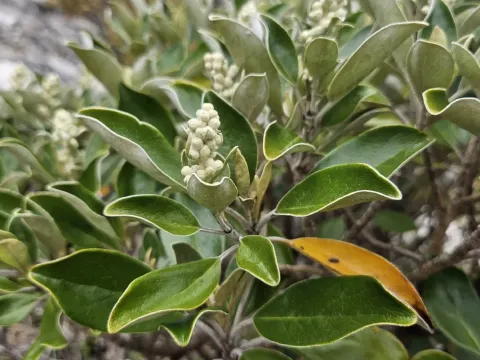
Brachyglottis
Brachyglottis
Brachyglottis is a genus of flowering plants in the daisy family, Asteraceae, containing species native primarily to New Zealand. These plants are widely known for their striking silvery-grey foliage and yellow daisy-like flowers that bloom throughout the growing season.
What the section contains


Brachyglottis
To cultivate these shrubs successfully, it is essential to provide well-drained soil. They are highly sensitive to "wet feet," which can cause root rot; thus, sandy or gritty soil mixtures are preferred to ensure efficient water drainage in garden beds or containers.
The climate requirements for Brachyglottis generally lean towards moderate, coastal environments. While they are resilient, most species prefer full sun to partial shade, which encourages dense branching and the characteristic silvery hue of the leaves.
Agrotechnical maintenance focuses on regular, light pruning to keep the plant compact and prevent it from becoming woody or leggy. Fertilization is generally light, as these plants are adapted to poor soils; an application of balanced, slow-release fertilizer in early spring is sufficient.
In terms of usage, Brachyglottis is a staple in landscape design, especially for dry, rock, or coastal gardens. Its unique texture and color contrast well with darker green plants, making it a popular choice for borders and xeriscaping projects.
The primary threats to Brachyglottis are moisture-related fungal issues. Overwatering or planting in heavy, clay-rich soil can lead to sudden wilting and crown decay, which are often fatal to the plant if not addressed early.
Pests are generally minimal but can include aphids during the spring flush of new growth. Using organic horticultural soaps or neem oil is usually effective in managing these infestations without damaging the foliage of the shrub.