
Brachyglottis hybrids
Brachyglottis hybrids
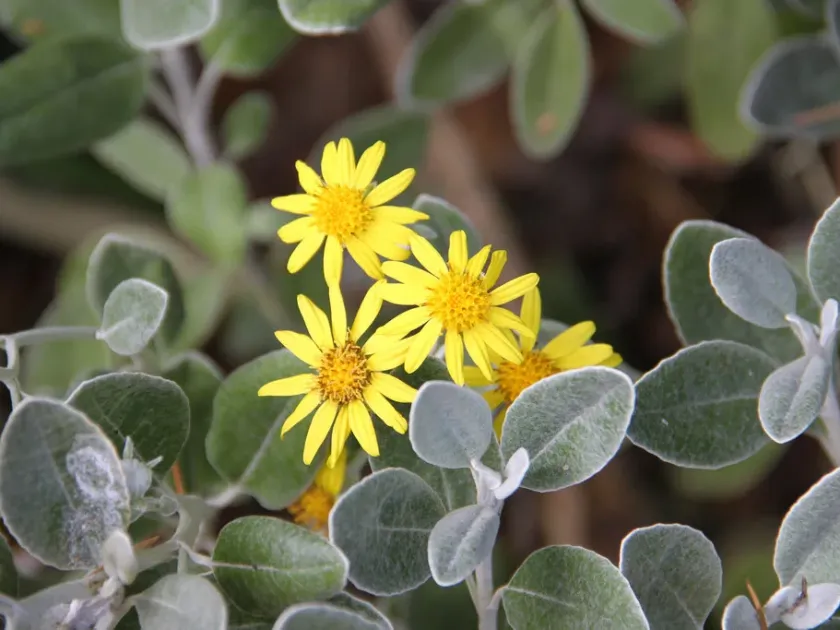
Description
Growing requirements
Brachyglottis hybrids are attractive ornamental evergreen shrubs that belong to the Asteraceae family. These plants are widely recognized for their distinctive silver-grey foliage, which provides an excellent textural contrast in garden borders and landscaping projects.
Originating from the diverse climates of New Zealand, these plants thrive best in mild, temperate environments. They are generally not frost-hardy, so in cooler regions, they require protection or placement in sheltered spots to survive the winter months.
The ideal soil conditions for this culture involve well-draining substrates, such as sandy or loamy soils. It is crucial to ensure that the site does not accumulate stagnant water, as poor drainage is the primary cause of root-related issues in these plants.
In terms of light, Brachyglottis requires a sunny position to maintain its compact habit and vibrant leaf color. Exposure to full sun helps the plant develop its characteristic felted appearance, whereas excessive shade may cause the plant to become leggy and lose vigor.
Agrotechnical maintenance focuses on light pruning, which should be performed after the flowering season to keep the shrub neat and dense. Regular monitoring of the substrate moisture is also required to avoid both drought stress and waterlogging.
Main diseases and pests
The primary threats to Brachyglottis health include fungal infections, such as root rot, which are often triggered by excessive soil moisture and inadequate ventilation around the base of the shrub.
Pest pressures typically arise from sap-sucking insects, with aphids and spider mites being the most common invaders. These pests can rapidly affect the plant's vitality, leading to stunted growth and leaf discoloration.
Effective management involves consistent cultural practices, such as providing adequate air circulation between plants and ensuring that irrigation is applied directly to the soil rather than over the foliage.
When infestations occur, the use of targeted horticultural soaps or appropriate systemic insecticides is recommended to manage populations before they cause significant structural damage to the shrub.
Regular sanitation, including the prompt removal of any dead or dying branches, helps to reduce the risk of pathogen buildup and promotes the overall longevity and decorative appeal of the plant.