
Bolander's sunflower
Helianthus bolanderi
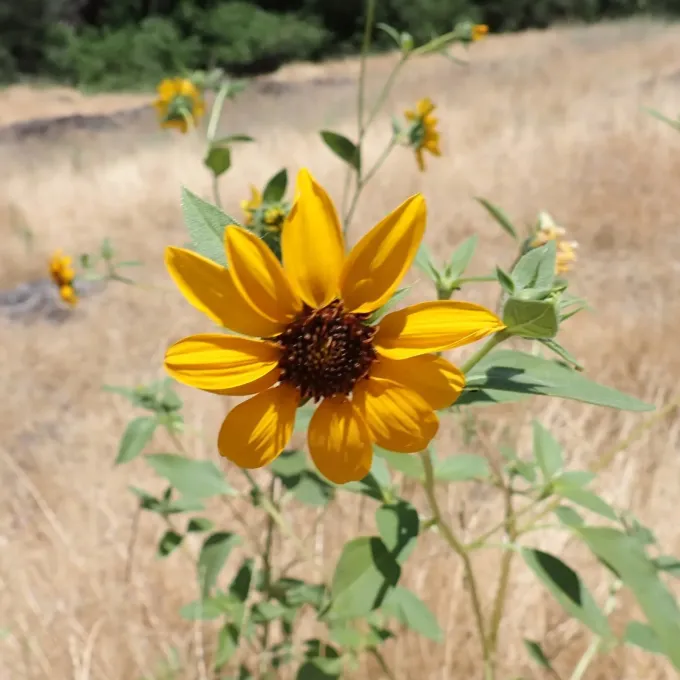
Description
Sowing dates
Bolander's sunflower is a wild annual species that is not commercially cultivated on a large scale. In its natural habitat, seeds germinate in the spring as soil temperatures rise to 10–12 degrees Celsius.
The plant exhibits strong self-seeding capabilities, allowing it to establish dense populations in disturbed areas. Optimal planting depth in controlled conditions is approximately 2–4 centimeters.
Sufficient soil moisture during the first few weeks after germination is crucial for the establishment of the seedlings. In research settings, sowing is typically performed in mid-spring.
The seedlings are known for their high growth vigor, which allows them to compete effectively against weeds during the early vegetative stages. Rapid root development is a key survival strategy.
The duration from seedling emergence to flowering typically ranges from 60 to 80 days, depending on environmental factors such as photoperiod and heat accumulation.
Growing requirements
Belonging to the Asteraceae family and native to California, this species is highly adapted to arid climates and intense solar radiation. It thrives in open, exposed environments.
It prefers well-drained soils and is frequently found on serpentine substrates that are naturally low in essential soil nutrients, demonstrating its high ecological plasticity.
Optimal growing conditions require abundant direct sunlight and moderate rainfall. Excessive moisture during the seed-maturation phase can lead to fungal issues within the flower heads.
This species shows remarkable tolerance to soil salinity, making it a subject of interest for breeders aiming to develop stress-tolerant sunflower varieties.
Botanically, the plant is characterized by rough, pubescent stems and leaves, which minimize transpiration and help the plant maintain water status under extreme heat.
Main diseases and pests
Primary health threats include fungal pathogens such as rust and powdery mildew, which are common among wild Helianthus species in humid conditions.
Insect pests like the sunflower moth larvae pose a significant risk to the reproductive structures, as they can cause substantial damage to the developing seeds.
The plant utilizes chemical defenses, including specific terpenoids found in glandular hairs, which act as a natural deterrent against various herbivores.
Broomrape (Orobanche) is a potential parasitic threat to the root system, necessitating careful monitoring during breeding programs and field trials.
Preventative management is essential for controlling vector-borne viruses, which can negatively impact the overall health and vigor of the sunflower populations.