
Brachyglottis greyi
Brachyglottis greyi
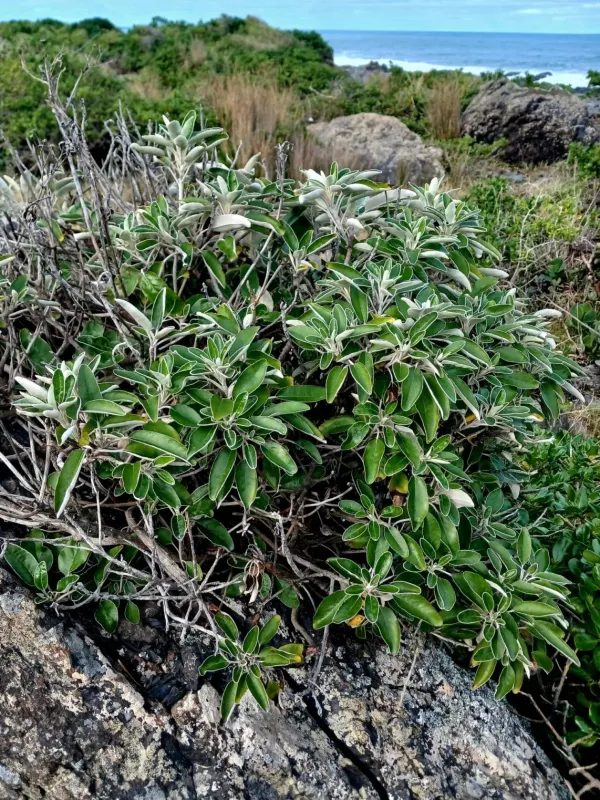
Description
Growing requirements
Brachyglottis greyi is an evergreen shrub belonging to the Asteraceae family. Originating from the coastal areas of New Zealand, it has become a popular ornamental plant due to its striking silvery foliage and yellow daisy-like flowers.
The plant thrives in well-draining, sandy, or rocky soils. It is highly intolerant of waterlogged conditions, which can quickly lead to root decay, so selecting a site with excellent natural drainage is paramount for success.
Full sun is necessary to maintain the plant's characteristic silvery pubescence and compact growth habit. In shaded environments, the foliage tends to lose its luster, becoming sparse and leaning towards a dull green color.
Regarding climate, Brachyglottis greyi prefers mild, coastal-like conditions. It is not fully hardy in severe frost; it is best suited for USDA zones 8–10, requiring protection or mulching in regions where temperatures drop significantly below freezing.
Agricultural management includes regular pruning after flowering to encourage dense, bushy growth. Without maintenance, the plant can become leggy and unsightly, especially in its lower sections, as it matures over several years.
Main diseases and pests
The primary threat to this shrub is fungal infection, specifically root rot, induced by overwatering or compacted soils. Ensuring the root zone does not sit in saturated soil is the most effective way to prevent these issues.
Powdery mildew may manifest as a white dusty layer on leaves when humidity levels are high and air circulation is insufficient. Thinning the canopy through pruning helps maintain airflow and reduces the risk of fungal spread.
Pests such as aphids and spider mites are common inhabitants of ornamental garden shrubs. These insects can cause stunted leaf growth and yellowing if populations are not managed in a timely manner.
Integrated pest management strategies are recommended, including the use of neem oil or insecticidal soaps for light infestations. In severe cases, targeted use of systemic pesticides may be required to protect the plant's aesthetic value.
Vigilant monitoring for signs of stress is crucial for maintaining the health of Brachyglottis greyi. Early identification of discoloration or wilting allows for corrective actions, such as adjusting irrigation or applying appropriate treatments.