
Brachyglottis repanda
Brachyglottis repanda
Description
Growing requirements
Brachyglottis repanda, commonly known as Rangiora, is an evergreen shrub or small tree belonging to the Asteraceae family. It is endemic to New Zealand, where it is found in diverse habitats from coastal areas to lowland forests.
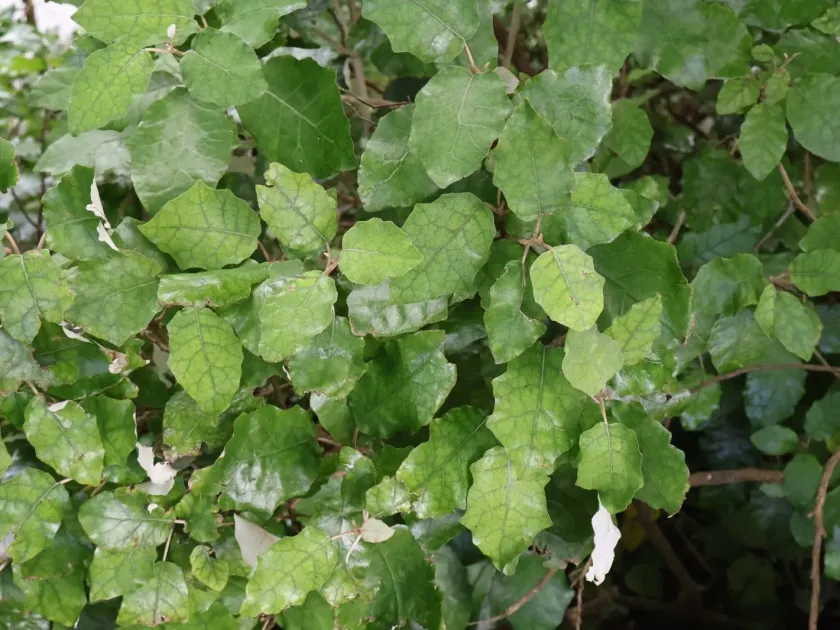
The plant features large, distinctively lobed leaves that are dark green on the top and have a prominent white, felt-like indumentum on the underside. Its inflorescences are large, branching panicles of small, fragrant, creamy-yellow flowers.
This species thrives in temperate climates and requires fertile, well-draining soil to perform optimally. It is sensitive to severe frost, which can damage young shoots, therefore it requires sheltered spots in colder growing regions.
In landscaping, Brachyglottis repanda is highly regarded for its rapid growth rate and year-round interest. It is frequently used for restoration projects, screening, or as a feature plant in contemporary garden designs.
Agrotechnical maintenance includes consistent moisture management and seasonal fertilization during the active growing cycle. The plant responds exceptionally well to pruning, which encourages denser foliage and more robust habit.
Main diseases and pests
Common health issues involve root rot triggered by waterlogged soil conditions. Regarding pests, the plant is susceptible to various scale insects and aphid infestations that can hinder the development of soft young leaves.