
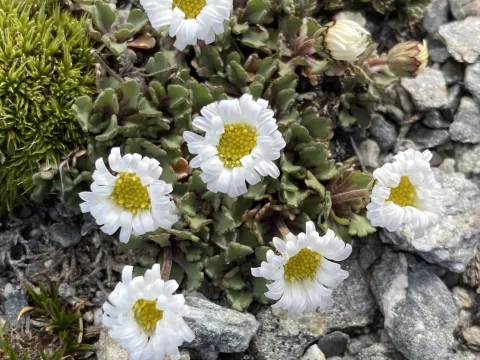
Brachyscome
Brachyscome
Sowing Brachyscome seeds should be initiated in late March or early April in a greenhouse or indoors. Use a light, well-draining seed-starting mix to ensure successful germination and early development of the seedlings.
What the section contains


Brachyscome
Since the seeds are extremely small, they should be surface-sown onto the substrate and pressed gently. Covering with a thin layer of fine vermiculite or just leaving them exposed to light is recommended, as they require light to germinate effectively.
Keep the sowing trays in a warm environment with temperatures around +20 °C. Consistent moisture is crucial, but avoid waterlogging the soil to prevent fungal issues such as damping-off in young sprouts.
Once the seedlings develop two sets of true leaves, they should be pricked out into individual pots or cell trays. This promotes a stronger root system and prepares the plant for the hardening-off process before outdoor planting.
Transplanting into the garden occurs after the danger of frost has passed, usually by early June. Spacing should be maintained at about 20-25 centimeters to allow for optimal airflow and prevent overcrowding.
Brachyscome, a member of the Asteraceae family originating from Australia, is a hardy annual known for its daisy-like flowers and compact, bushy growth habit. It is highly valued for its continuous blooming season.
The plant thrives in full sun and requires well-drained, fertile soil to perform its best. Heavy or waterlogged soils are detrimental to root health, so soil amendment with perlite or sand may be necessary for clay-heavy plots.
While the species is relatively drought-tolerant, regular watering is recommended to maintain vigorous growth and prolific flowering throughout the warmer months. Avoid overhead watering to reduce the risk of foliage diseases.
Fertilization should be balanced, as excessive nitrogen promotes vegetative growth at the expense of floral production. A light application of a slow-release, low-nitrogen fertilizer is usually sufficient to support the flowering cycle.
Deadheading spent flowers is a beneficial practice that encourages the plant to focus energy on producing new buds, effectively extending the blooming period until the arrival of autumn frosts.
Root rot caused by excess moisture is the most common threat to Brachyscome. To mitigate this risk, ensure that containers and garden beds have excellent drainage and do not remain saturated for extended periods.
Aphids and whiteflies are the primary pests that may infest the foliage during warm weather. Early detection and the application of appropriate systemic insecticides can control these populations before they cause significant damage.
Slugs and snails can be problematic for young seedlings, especially in humid or rainy conditions. Protecting the base of the plant with physical barriers or organic baits is an effective management strategy.
Fungal issues, such as powdery mildew, may occur if plants are spaced too closely or if humidity levels are excessively high. Maintaining good air circulation is the most effective preventative measure against such diseases.
By monitoring the health of the plants regularly and maintaining consistent but not excessive irrigation, gardeners can minimize the impact of these typical biological threats on the overall crop health.