
Brachyglottis compacta
Brachyglottis compacta
Description
Growing requirements
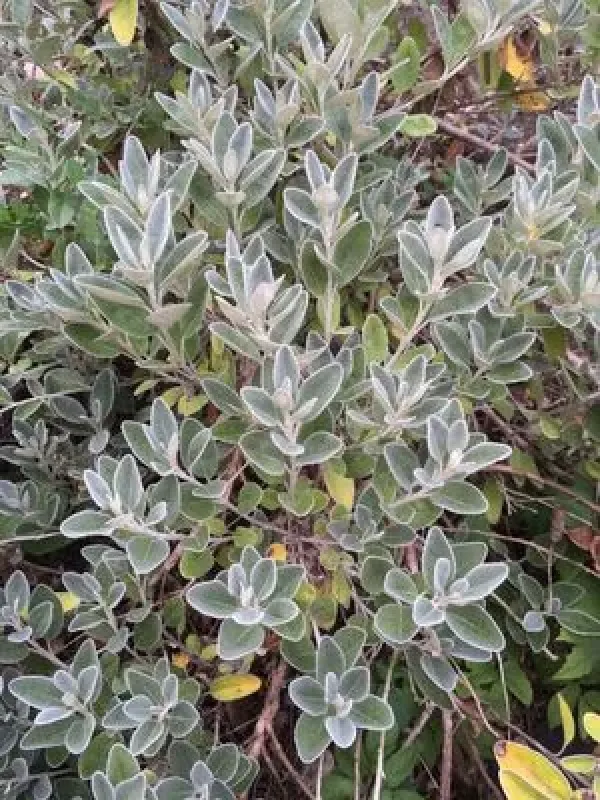
Brachyglottis compacta is an evergreen shrub belonging to the Asteraceae family. Originating from New Zealand, it is highly valued in horticulture for its dense habit and attractive, felted silver foliage that provides a striking contrast in garden compositions.
The plant requires well-drained, sandy, or rocky soil to thrive. It is notoriously intolerant of waterlogged conditions, which makes proper soil drainage the most critical factor for its long-term survival and healthy root development.
Full sun is necessary to maintain the plant's characteristic compact shape and the silver intensity of its leaves. In shaded areas, the plant tends to become leggy and loses the dense, rounded architecture that defines its ornamental value.
Regarding climate, it prefers mild, maritime environments. While it has moderate cold hardiness, it is not suitable for regions with prolonged, harsh winters. In such climates, it is typically grown in pots to be moved indoors during extreme cold.
Maintenance involves periodic pruning, which is essential to encourage bushiness and remove old or straggly stems. Pruning should be performed after the flowering period to ensure the shrub remains neat and maintains its compact structure.
Main diseases and pests
The most significant threats to Brachyglottis compacta are soil-borne fungal pathogens, such as Phytophthora root rot. These issues are almost exclusively caused by excessive irrigation or poorly draining heavy soils that stay wet for too long.
Aphids are the most common insect pests encountered on this plant. They typically cluster on tender new growth, causing leaf curling and distorting the aesthetic appearance of the plant if left untreated.
In humid or stagnant air conditions, powdery mildew can occur, appearing as a white dusting on the foliage. To prevent this, ensure that the shrub is planted in an area with good airflow to allow the foliage to dry quickly after rain.
Mealybugs may occasionally infest the plant, particularly when grown in sheltered conditions or greenhouses. Regular monitoring of the foliage and stems is advised to catch any early signs of infestation and apply appropriate control measures.
Overall plant health is best maintained through proper site selection and balanced watering. Providing enough space for air circulation and avoiding overhead watering in the evenings significantly reduces the pressure from most common pests and diseases.