
Brachyglottis jubar
Brachyglottis jubar
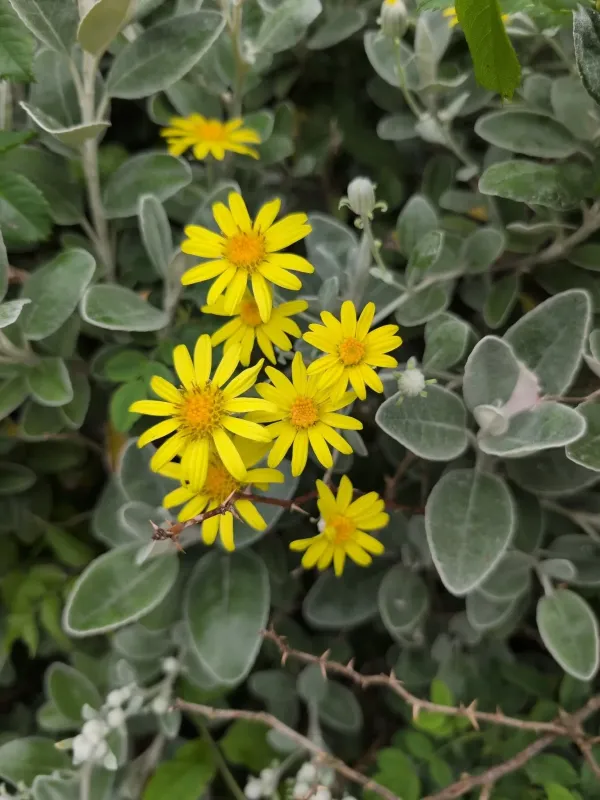
Description
Growing requirements
Brachyglottis jubar is a distinctive perennial shrub belonging to the Asteraceae family. Known for its striking silver-grey foliage, it serves as a sophisticated element in modern landscaping, offering a unique texture and color contrast.
Originating from New Zealand, this species is adapted to maritime climates characterized by moderate temperatures and consistent moisture levels. Its natural distribution is tied to specific ecological conditions that favor moderate growth rates.
The crop requires well-drained, porous soils to thrive. It is particularly sensitive to waterlogging, which can rapidly lead to root decay, making the choice of site and soil preparation a critical step in its successful cultivation.
Sunlight is a fundamental requirement for this plant. To maintain its vibrant color and compact growth habit, it should be placed in full sun. Inadequate light levels often result in leggy stems and poor foliage density.
Agrotechnical management includes regular pruning to maintain the plant's structural integrity. During the active growing season, application of balanced liquid fertilizers helps support vigorous leaf development and maintains its ornamental appeal.
Main diseases and pests
Root rot remains the most significant threat to Brachyglottis jubar. This condition is primarily caused by poor drainage or overwatering, which creates an anaerobic environment unsuitable for the plant's delicate root system.
Pests such as aphids and spider mites are frequent invaders during dry spells. These pests damage the foliage, leading to discoloration and a significant reduction in the plant's decorative value if left untreated.
Powdery mildew represents a common fungal threat, particularly in environments with poor air circulation and high relative humidity. It manifests as a white powdery coating on the surface of the leaves.
Integrated pest management, including the use of targeted fungicides and aphicides, is essential for maintaining plant health. Early detection is key, as these interventions are most effective before infestation becomes widespread.
Sanitation practices, such as removing dead leaves and ensuring adequate spacing between plants, are vital strategies for disease prevention. Maintaining a clean and aerated environment minimizes the risk of pathogens establishing themselves.