
Brachyglottis kirkii
Brachyglottis kirkii
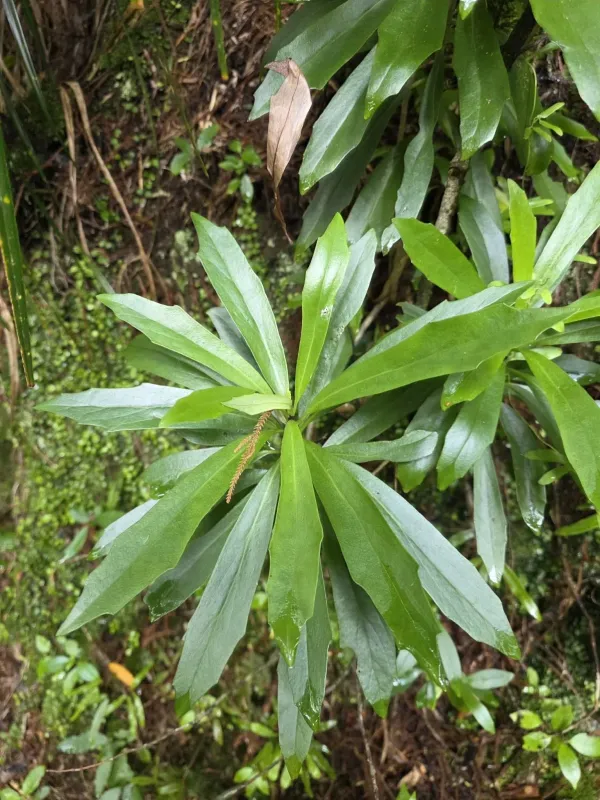
Description
Growing requirements
Brachyglottis kirkii is an evergreen shrub belonging to the Asteraceae family. Native to New Zealand, this plant is typically found in forested areas and high-altitude habitats where it thrives in naturally moist conditions.
The plant requires a stable, temperate climate to perform well. It is not cold-hardy, meaning it requires protection or indoor cultivation in regions prone to frost and severe winter temperature drops.
Successful growth depends on well-draining, nutrient-rich soil. Poor drainage is the most significant limiting factor, as the root system is highly sensitive to waterlogging and subsequent oxygen deprivation.
In terms of light, the plant prefers dappled sunlight or partial shade. Direct, harsh sun during the middle of the day can cause leaf scorch, diminishing the aesthetic appeal and overall health of the shrub.
Cultural practices involve maintaining consistent moisture levels and providing balanced fertilization during the active growing season. Regular pruning helps maintain a compact, healthy form and encourages better structural development.
Main diseases and pests
Fungal diseases are a primary threat to Brachyglottis kirkii, particularly in environments with poor air circulation. High humidity combined with stagnant air often leads to the onset of foliar fungal pathogens.
Pest management should focus on common greenhouse and garden pests like aphids and spider mites. These insects thrive on the tender growth and can rapidly weaken the plant if left unchecked by the grower.
Early detection is essential for successful control. Growers should perform frequent inspections of the foliage, especially the underside of the leaves, to ensure that pest populations remain below damaging thresholds.
Root rot is a critical condition caused by overwatering or soil compaction. Once the root system is compromised, the plant is difficult to recover, making preventative measures the most effective strategy.
Environmental stress, such as sudden shifts in humidity or extreme wind exposure, can also render the plant more susceptible to opportunistic diseases. Providing a sheltered environment is key to minimizing these risks.