
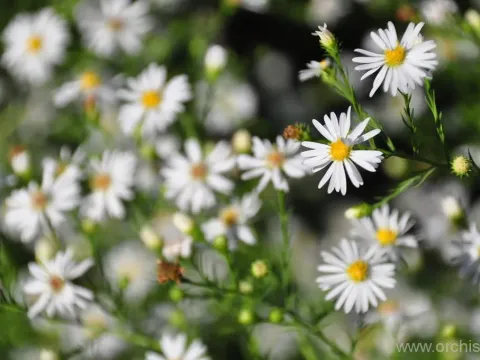
Boltonia
Boltonia
Sowing Boltonia seeds should be performed in the spring, once the soil has warmed up and the risk of late frosts has passed in your region.
What the section contains


Boltonia
While direct sowing is possible, many growers prefer starting seeds indoors in late winter to ensure a robust plant structure before transplanting.
The seeds require light to germinate effectively, so they should be only lightly pressed into the surface of the growing medium rather than buried deeply.
Maintaining a consistent moisture level in the seedling trays is crucial, but avoid waterlogging, which can lead to damping-off disease in young sprouts.
Once the seedlings develop two sets of true leaves, they can be hardened off gradually before being planted into their permanent garden location.
Boltonia is a hardy perennial member of the Asteraceae family, well-regarded for its adaptability and impressive floral display in late summer.
The plant thrives best in full sun, though it can tolerate light afternoon shade in regions with extremely hot and dry summer climates.
Regarding soil preferences, it performs optimally in rich, moist, and well-draining soils; it is notably more tolerant of wet soil conditions than many other asters.
Regular fertilization with a balanced, slow-release fertilizer during the active growing season will promote vigorous stems and a higher count of blooms.
Pruning the stems back in early summer can encourage bushier growth and prevent the plants from becoming too top-heavy during the flowering phase.
Generally, Boltonia is considered a low-maintenance plant with strong natural resistance to major physiological disorders and pests.
Powdery mildew is the most frequent pathological threat, usually triggered by stagnant air and high humidity during the transition into autumn.
In terms of insect pests, aphids are common visitors on the tender buds, which can be easily managed through integrated pest management practices.
Providing adequate spacing between plants is an essential cultural practice to ensure proper airflow, significantly reducing the likelihood of fungal outbreaks.
In cases of severe infestation, specialized horticultural soaps or organic neem oil sprays are effective, environmentally friendly control measures for this crop.