
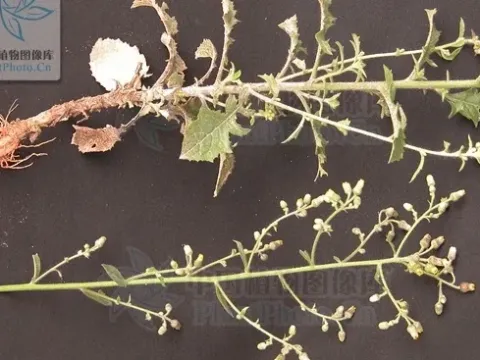
Blumea napifolia
Blumea napifolia
Sowing Blumea napifolia should begin at the start of the rainy season to ensure sufficient soil moisture. Utilizing a nursery or seedling tray approach is highly recommended to improve germination consistency.
What the section contains
Blumea napifolia
The seeds are minute and should be sown on the surface of the growing medium without covering them with soil. Maintaining a stable temperature between 22 and 28 degrees Celsius is critical for success.
Transplanting the seedlings to the field is appropriate once they reach a height of 10 to 15 centimeters. Proper spacing is essential to ensure adequate airflow and prevent overcrowding.
Frequent watering is required during the first two weeks post-transplanting to allow the roots to establish in the field. After this period, irrigation frequency can be gradually decreased.
Careful selection of high-quality seeds is a fundamental step in ensuring the overall productivity and uniformity of the crop throughout the growing season.
Blumea napifolia is a perennial herb belonging to the Asteraceae family, thriving in tropical and subtropical regions. It requires significant light exposure and high humidity for optimal development.
Well-drained soil with a neutral or slightly acidic pH is ideal for this crop. Waterlogging must be avoided, as it can lead to root rot and diminished essential oil content in the foliage.
The plant grows best in temperatures between 25 and 32 degrees Celsius. Being sensitive to cold, it should be grown in greenhouses or protected structures in temperate climates.
Regular fertilization with organic matter is recommended to support lush green growth. Nitrogen-based fertilizers are particularly effective during the active vegetative stage of the plant.
This species is highly adaptable to various open environments, making it a viable crop for regions with consistent rainfall and adequate sunshine during the growth cycle.
Common pests affecting this crop include aphids and spider mites, which feed on young leaves. Early detection is necessary to prevent significant damage to the plant's yield.
Fungal issues such as root rot are often triggered by excessive soil moisture and poor air circulation. Implementing proper drainage and thinning of plants are vital preventative measures.
Weed management is critical, especially during the early stages of growth, as the plant is not highly competitive against invasive vegetation. Regular inter-row cultivation is advised.
Regular inspection of the fields allows for the prompt removal of infected plants, which limits the spread of pathogens throughout the agricultural plot.
Using integrated pest management strategies, focusing on biological controls rather than broad-spectrum chemicals, is best for protecting the quality of the harvested herbal materials.
Harvesting should take place during the peak flowering stage when the concentration of essential oils in the leaves and stems is at its absolute highest point.
The harvest should be conducted manually or mechanically under dry weather conditions. Avoiding moisture during the collection phase is essential to ensure high quality in the final product.
Post-harvest, the plant material must be dried in the shade or in specialized drying rooms at temperatures not exceeding 40 degrees Celsius to preserve the essential oils.
Dried product should be stored in airtight containers within a cool, dark environment to prevent the degradation of its therapeutic and aromatic components over time.
The crop is utilized in various industrial sectors, including pharmaceuticals and perfumes, where its antiseptic properties are highly valued for diverse formulations.