
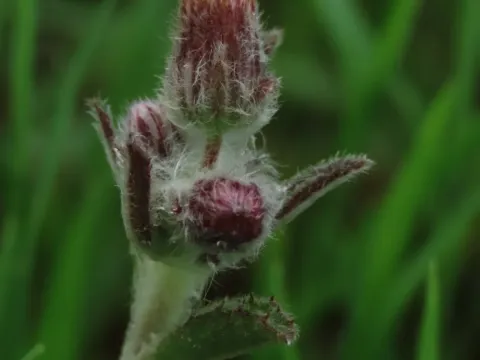
Blumea sericans
Blumea sericans
Sowing of Blumea sericans should take place in spring when the soil temperature consistently reaches levels suitable for germination, typically above 15 degrees Celsius.
What the section contains
Blumea sericans
The seeds are relatively small, requiring precise surface sowing or very light covering with soil to ensure they receive enough light to trigger growth.
Uniform seed distribution is essential for maximizing density and ensuring that each plant has sufficient space to develop its full foliage.
Field preparation must include the removal of deep-rooted perennial weeds that could compete with the slow-growing seedlings in the early stages.
Proper spacing between rows, ideally ranging from 45 to 60 cm, facilitates mechanical weeding and promotes good air circulation around the crops.
Blumea sericans, a member of the Asteraceae family, thrives in sunny environments and requires full exposure to direct sunlight for optimal development.
The plant performs best in well-draining, fertile soils that provide enough moisture but do not suffer from waterlogging or heavy compaction.
Adequate soil moisture is crucial during the vegetative growth phase, as the plant is sensitive to prolonged drought conditions in its younger stages.
The climate should be warm and temperate, as Blumea is not tolerant of frost or extremely low temperatures that can damage its delicate tissues.
Balanced fertilization, particularly during the active growth period, supports the formation of high-quality biomass rich in secondary metabolites.
Yield estimation is primarily based on the dry weight of the harvested aerial parts, which are the main source of essential oils and other extracts.
Maximizing yield requires meticulous crop management, including regular irrigation and effective weed control to minimize competition for resources.
Studies suggest that biomass production is highly dependent on the plant population density and the specific soil nutrient profile of the plantation.
Harvesting at the precise phenological stage—the peak of flowering—is critical to obtaining the highest concentration of active compounds.
Effective post-harvest handling ensures that the potential yield of the crop is preserved and not degraded by improper drying or storage conditions.
The crop is susceptible to various fungal pathogens, such as root rot, which typically occur in poorly drained soils with stagnant moisture.
Insect pests, including aphids and spider mites, can severely impact the health of the plants, necessitating early detection and biological control.
Crop rotation practices are essential to break the life cycles of soil-borne pathogens common to the Asteraceae family of plants.
Maintaining optimal spacing helps reduce humidity within the foliage, which is a major factor in preventing the spread of mold and mildew infections.
Monitoring the field for signs of chlorosis or leaf deformation is important to identify nutrient deficiencies or pest attacks early in the season.
Harvesting usually involves cutting the stems at a specific height above the ground, allowing for potential regrowth if the climate is suitable.
The harvested plant material must be processed immediately to prevent the volatile compounds within the leaves from oxidizing and losing their efficacy.
Drying should be performed in controlled conditions, away from direct sunlight and in well-ventilated areas to maintain the product's chemical integrity.
Once dried to the appropriate moisture content, the crop should be stored in containers that prevent moisture re-absorption and external contamination.
Proper storage is the final step in ensuring that the quality standards required for commercial and medicinal applications are fully met.