
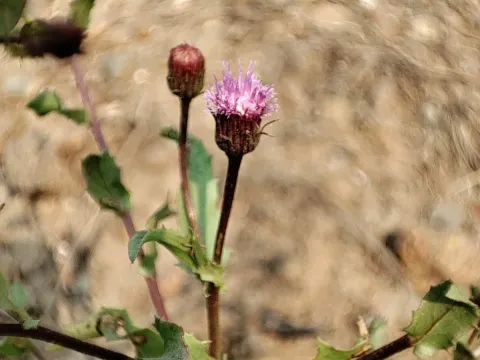
Blumea obliqua
Blumea obliqua
Blumea obliqua is a medicinal and ornamental plant species belonging to the Asteraceae family. It is recognized for its adaptive nature and potential use in traditional and modern botanical research.
What the section contains
Blumea obliqua
The plant thrives in subtropical and tropical climates, requiring abundant sunlight for optimal development. It is typically found in open fields and areas with moderate to high humidity.
Agricultural success depends on providing well-drained soil rich in organic matter. While it is hardy, it requires consistent moisture during the initial growth stages to establish a strong root system.
Proper field management includes maintaining wide row spacing to facilitate air circulation, which is essential for preventing humidity-related issues in dense plant stands.
Soil pH levels should be monitored to ensure nutrient availability, with a slightly acidic to neutral range being ideal for maximizing biomass production of the plant.
Crop health can be compromised by fungal pathogens, especially in seasons with excessive rainfall or prolonged periods of high air humidity that lead to leaf spots.
Common insect pests, including aphids and whiteflies, frequently target the succulent parts of the plant, potentially affecting the overall yield and physiological vitality.
Integrated pest management strategies are recommended, focusing on early detection and the use of targeted biological controls to prevent heavy infestation during the growing season.
Regular weeding is essential as competition from invasive species can stunt the development of Blumea obliqua and reduce the effectiveness of irrigation efforts.
Crop rotation protocols should be strictly followed to minimize the buildup of soil-borne pathogens that might otherwise impact the vigor of future harvests.