
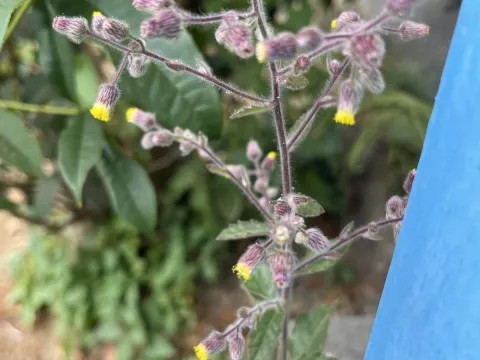
Blumea sinuata
Blumea sinuata
Blumea sinuata is an aromatic herbaceous plant of the Asteraceae family, primarily cultivated for its extractable essential oils. Sowing begins when the soil temperature consistently reaches 20 to 25 degrees Celsius.
What the section contains
Blumea sinuata
Direct seeding is possible, but nursery propagation is often preferred to ensure uniform plant density and high germination rates in the initial growth phases.
Seeds should be covered with a thin layer of fine soil and kept moist at all times. Once the seedlings develop several true leaves, they are ready for transplanting into the field.
Proper spacing is essential to prevent overcrowding, typically maintaining 30-40 centimeters between individual plants to allow for airflow and optimal light penetration.
Successful sowing also involves soil preparation, ensuring the ground is free of weed competition which could stunt the growth of young seedlings during their early development.
The plant thrives in well-drained soils rich in organic matter. Waterlogging is detrimental, as it encourages root rot and significantly impacts overall plant health.
Full sun exposure is required for maximum oil content, though partial shade may be tolerated in extremely hot, arid regions to prevent leaf scorching.
Regular irrigation is necessary, particularly during dry spells, to maintain a consistent moisture level in the root zone without creating stagnant conditions.
Temperature stability is crucial for the optimal development of this species. It does not tolerate frost, making it sensitive to climate fluctuations in temperate zones.
Applying balanced fertilizers, particularly those rich in nitrogen and phosphorus, during the active vegetative stage promotes robust growth and higher biomass yields.
Productivity is largely dictated by environmental conditions and management practices. Yields can reach 15-20 metric tons of fresh biomass per hectare under ideal conditions.
Harvesting should be timed to coincide with the peak flowering stage, as this is when the accumulation of essential oil compounds within the plant tissues is highest.
Careful management of the harvest schedule allows for multiple cuttings during a single season, significantly increasing total annual production per unit area.
Post-harvest handling is critical, as any delays in distillation or drying can lead to the loss of volatile oils, thereby reducing the final product's quality.
Maximizing yield requires efficient nutrient management and consistent monitoring of plant health throughout the growing cycle to prevent premature decline.
Pests such as aphids and spider mites are common threats, causing leaf damage and weakening the plant, which indirectly lowers oil quality and quantity.
Fungal pathogens like powdery mildew pose a risk, especially in areas with high humidity and poor ventilation. Regular scouting is necessary for early detection.
Root rot, often caused by poor drainage or overwatering, is a leading cause of plant loss. Improving soil structure is the best preventative strategy.
Integrated pest management (IPM) is recommended, utilizing natural predators or organic sprays whenever possible to maintain the purity of the medicinal extract.
Maintaining a clean field environment by removing crop debris helps reduce the reservoir of pests and diseases that can persist from one season to the next.
Harvesting is typically performed using specialized machinery that cuts the plants at a specific height, ensuring rapid collection while leaving the base intact for regrowth.
Efficiency in transporting the biomass to the processing facility is vital. Ideally, distillation occurs immediately after harvest to preserve the chemical integrity of the oils.
Cleaning the harvest of any soil or weeds is necessary to prevent contamination during the extraction process, which could lead to off-notes in the oil profile.
Post-harvest agricultural practices include incorporating the remaining crop residue into the soil, which acts as a green manure to build up soil fertility.
Standardizing the harvest timing based on the developmental stage of the plant is essential for ensuring consistency in the quality of the final essential oil product.