
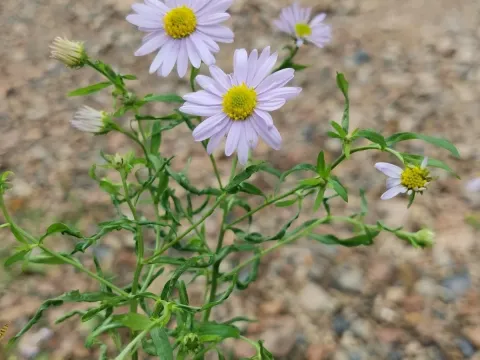
Aster lautureanus
Aster lautureanus
Aster lautureanus is a perennial herbaceous plant belonging to the Asteraceae family. Known in some contexts as a dry-land aster, this species is characterized by its adaptability to open, well-drained environments.
What the section contains
Aster lautureanus
The native range of this species is centered in East Asia, where it thrives in meadows and grassland ecosystems. It is well-adapted to habitats that experience seasonal fluctuations in precipitation and temperature.
Regarding soil requirements, the plant prefers light, sandy or loamy soils with excellent drainage. Poorly drained soil, especially during the dormant season, can lead to root system failure and stunted growth.
This crop requires full sun exposure to maintain its compact growth habit and vibrant flowering. Adequate spacing is necessary to facilitate air circulation, which is a key factor in preventing moisture-related complications.
In terms of usage, it is primarily valued as an ornamental species in ecological landscaping. Its ability to tolerate moderate drought once established makes it a sustainable choice for water-efficient garden designs.
The primary disease concern for Aster lautureanus is powdery mildew. This fungal pathogen manifests as a white, powdery coating on leaves and is usually triggered by high humidity and poor ventilation.
Root rot is another significant threat, typically caused by waterlogged soil conditions. This condition is difficult to treat once established, so prevention through proper site selection is of utmost importance.
Pests such as aphids are commonly observed on young plant tissues. They feed on plant sap, leading to distorted growth and occasionally acting as vectors for various plant viruses.
Leaf miners can also affect the aesthetic quality of the foliage by creating distinct tunnels within the leaf blades. While rarely fatal, severe infestations can significantly impact the plant's photosynthesis efficiency.
To maintain plant health, it is recommended to conduct regular monitoring of the foliage and implement cultural controls, such as removing affected plant parts and ensuring proper spacing between individuals.