
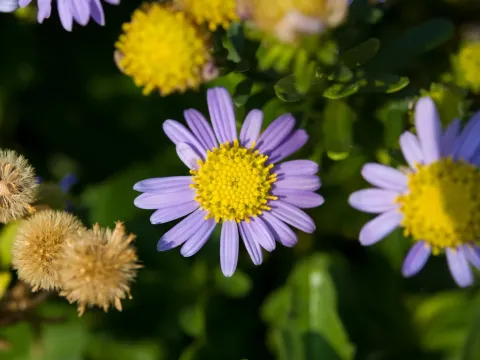
Aster asagrayi
Aster asagrayi
Aster asagrayi is a perennial plant primarily propagated through division of mature clumps or by direct sowing of seeds into prepared soil beds.
What the section contains
Aster asagrayi
Starting seeds indoors in late March provides a significant advantage for the plants to establish a robust root system before the warm season.
Outdoor sowing should be initiated in mid-April, ensuring that the soil temperature is consistently above ten degrees Celsius for successful germination.
Seeds require a fine, loose seedbed and should be covered lightly with substrate to maintain sufficient moisture while allowing enough light for growth.
Transplanting seedlings to their final location is best performed on cloudy days to reduce transplant shock and promote faster acclimatization.
This species thrives in full sun exposure, although it can tolerate light partial shade, provided it receives sufficient light for structural development.
Well-drained, fertile soil is a strict requirement for Aster asagrayi to prevent root rot and ensure healthy physiological processes throughout the season.
The plant demonstrates a strong preference for neutral pH soils, meaning that growers should adjust soil chemistry if the site is excessively acidic.
Consistent moisture levels are critical during the summer, requiring scheduled watering practices to maintain soil turgor without causing waterlogging.
Regular application of balanced fertilizers during the spring growth phase encourages dense foliage production and maximizes the quantity of future blooms.
Powdery mildew represents the most significant fungal threat, especially during seasons characterized by high humidity and poor site air circulation.
Insect pests like aphids and spider mites are known to infest the plant, necessitating frequent inspections of the foliage and stem surfaces.
Root rot, triggered by poorly draining soil or excessive overhead watering, can compromise the structural integrity of the entire plant cluster.
Integrated pest management, including the use of neem oil or targeted fungicides, is the recommended approach to maintaining plant health.
Proper spacing during planting is a fundamental cultural practice that reduces the microclimate humidity conducive to disease development.
The primary utility of Aster asagrayi is decorative, serving as a standout element in perennial borders, rock gardens, and cut flower arrangements.
For cut flowers, harvest occurs when the blooms are partially open, which guarantees the best longevity for indoor decorative displays.
Seasonal maintenance involves cutting back the dead foliage in late autumn once the plant enters its natural dormant state for the winter.
Seed harvesting should be performed only after the seed heads have turned brown and fully dried on the stem to ensure viability and maturity.
Cleaned seeds should be stored in a cool, dark, and dry environment to preserve their germination potential for the following growing cycle.